Guides
Spain Travel Guide: Ultimate Tips for an Unforgettable Journey
Are you ready to discover a country full of vibrant culture, stunning landscapes, and unforgettable experiences? Spain has something special waiting just for you.
Whether you want to explore lively cities, relax on beautiful beaches, or taste delicious food, this Spain travel guide will help you plan the perfect trip. Keep reading to uncover insider tips and must-see spots that will make your journey truly unforgettable.
Your adventure in Spain starts here!
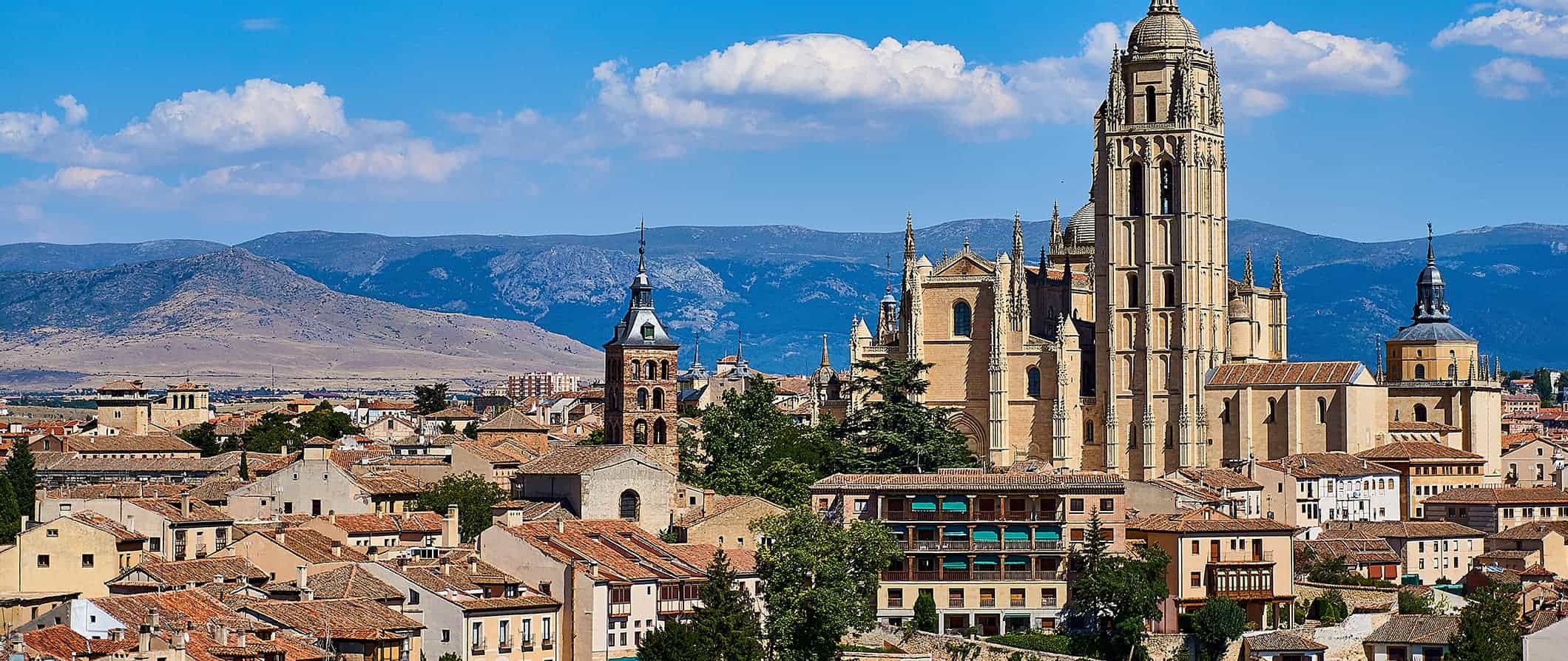
Top Destinations In Spain
Spain offers many exciting places to explore. Each destination has its own charm and unique attractions. This guide highlights the top spots to visit on your trip.
Barcelona Highlights
Barcelona blends modern life with rich history. The Sagrada Familia stands as a must-see landmark. Wander through the Gothic Quarter to see narrow streets and old buildings. Enjoy the lively atmosphere at La Rambla, full of shops and street performers. The city’s beaches offer great spots to relax after sightseeing.
Madrid Must-sees
Madrid is Spain’s vibrant capital full of culture. Visit the Prado Museum to view world-famous paintings. The Royal Palace showcases stunning architecture and royal history. Stroll in Retiro Park, a green oasis in the city center. Experience lively markets like Mercado de San Miguel for tasty local food.
Seville And Andalusia
Seville captures the spirit of southern Spain. The Alcázar palace reveals beautiful Moorish design. Watch passionate flamenco shows that express deep tradition. Andalusia’s countryside offers olive groves and white villages to explore. The region’s warm climate makes it perfect for outdoor adventures.
Exploring The Balearic Islands
The Balearic Islands boast stunning beaches and clear waters. Mallorca combines mountain trails with sandy shores. Ibiza is famous for its nightlife and beautiful coves. Menorca offers peaceful beaches and historical sites. Each island provides a unique experience for travelers seeking sun and sea.
Best Time To Visit
Choosing the best time to visit Spain can make your trip more enjoyable. Spain’s weather and events vary across the year. This guide helps you find the right season to explore the country’s beauty and culture.
Seasonal Weather Patterns
Spain has diverse climates. The south is warm most of the year. Summers can be hot, especially in Andalusia. Winters are mild in coastal areas but colder inland. Spring and autumn offer pleasant temperatures and fewer crowds. Northern Spain often sees more rain and cooler weather. Plan based on your comfort with heat or cold.
Festivals And Events Calendar
Spain hosts many lively festivals all year. In spring, experience Semana Santa with colorful parades. Summer brings music and dance festivals across cities. September features La Tomatina, the famous tomato fight. Fall has wine harvest celebrations in Rioja. Winter offers vibrant Christmas markets and Three Kings parades. Festivals add excitement and local flavor to your visit.
Travel Essentials
Traveling to Spain requires some important preparations. Knowing the essentials helps make your trip smooth and enjoyable. This section covers the basics you need before your journey. From visa rules to language tips, get ready to explore Spain with confidence.
Visa And Entry Requirements
Most visitors from the EU do not need a visa. Travelers from other countries may require one. Check your country’s rules well before your trip. A valid passport is always necessary. Your passport should be valid for at least six months. Border officers may ask for proof of accommodation or return tickets. Follow all rules carefully to avoid entry problems.
Currency And Payments
The currency in Spain is the Euro (€). Cash is widely accepted in markets and small shops. Credit and debit cards work well in most hotels and restaurants. ATMs are available in cities and towns. Notify your bank before traveling to avoid card blocks. It is wise to carry some cash for small purchases.
Language Tips
Spanish is the official language in Spain. Basic phrases like “Hola” (Hello) and “Gracias” (Thank you) go a long way. In tourist areas, many people speak some English. Learning simple Spanish words helps with directions and orders. Speak slowly and clearly. Showing effort to speak Spanish creates a friendly atmosphere.
Getting Around
Getting around Spain is easy and offers many choices. The country has a strong transport network connecting cities and towns. Travelers can pick options based on comfort, budget, and time. Each method offers a unique way to explore Spain’s culture and landscapes.
Public Transport Options
Spain has an excellent public transport system. Trains run frequently between major cities. The high-speed AVE trains reach top cities quickly. Buses cover smaller towns and rural areas. Metro systems serve big cities like Madrid and Barcelona. Tickets are affordable and easy to buy. Public transport is safe, clean, and reliable.
Car Rentals And Driving
Renting a car gives freedom to explore remote spots. Roads are well maintained and signposted in English. Driving allows visiting small villages and countryside. Parking can be tricky in city centers. Drivers must follow local traffic rules strictly. Fuel stations are common along highways. Renting a car suits travelers who prefer flexible schedules.
Cycling And Walking Routes
Spain offers many cycling paths and walking trails. Cities like Barcelona have bike rental services. Walking lets travelers enjoy historic streets and plazas. Coastal routes provide stunning sea views. Trails range from easy strolls to challenging hikes. Cycling and walking are eco-friendly and healthy ways to travel. These options reveal hidden gems not seen by car or bus.
Local Cuisine To Try
Spain offers a rich and diverse food culture. Local cuisine varies by region but always delights the taste buds. Trying Spanish food is a must for any traveler. It tells stories of tradition and local life.
From hearty meals to quick bites, Spanish dishes have flavors everyone can enjoy. Here are some popular choices to explore during your trip.
Famous Spanish Dishes
Paella is Spain’s signature rice dish. It combines saffron, seafood, chicken, and vegetables. Tapas are small plates served with drinks. They include olives, cheeses, and cured meats. Gazpacho is a cold tomato soup, perfect for hot days. Tortilla Española, or Spanish omelet, contains eggs, potatoes, and onions.
Street Food Favorites
Churros are fried dough sticks, often dipped in chocolate. Bocadillos are sandwiches with fillings like jamón or cheese. Pimientos de Padrón are small green peppers, fried and salted. Croquetas are fried rolls filled with ham, chicken, or fish. These snacks are easy to find and taste great on the go.
Regional Specialties
In Catalonia, try Escudella, a meat and vegetable stew. Andalusia is famous for Jamón Ibérico, cured ham with rich flavor. The Basque Country offers Pintxos, small bites on bread skewers. Galicia serves Pulpo a la Gallega, octopus with paprika and olive oil. Each region’s food highlights local ingredients and customs.

Accommodation Choices
Spain offers many choices for accommodation. Travelers find options that fit every budget and style. From city centers to quiet villages, places to stay vary greatly. Each type of lodging has its own charm and benefits.
Hotels And Hostels
Hotels in Spain range from luxury to budget-friendly. Big cities like Madrid and Barcelona have many options. Hostels are popular for young travelers and backpackers. They provide affordable prices and a social atmosphere. Many hostels offer private rooms and shared dorms.
Vacation Rentals
Vacation rentals give a home-like feeling. Apartments and houses are available to rent for days or weeks. This option suits families and groups well. Rentals often include kitchens and living areas. Staying in a rental lets visitors live like locals.
Unique Stays
Spain has many unique places to stay. Old castles, farmhouses, and cave homes offer special experiences. These stays connect guests with Spanish culture and history. Choosing unique lodgings creates memories beyond typical hotels. Many are located in scenic and quiet areas.
Cultural Tips
Understanding Spain’s culture helps you enjoy your trip more. Simple cultural tips make your travel smooth and fun. Respecting local customs shows you care about the place and people.
Customs And Etiquette
Greet people with a light handshake or two kisses on the cheeks. Dress neatly, especially in churches or formal places. Avoid loud talking in public transport or restaurants. Mealtime is important; lunch and dinner happen later than in many countries. Wait for the host to start eating before you begin.
Language Phrases To Know
Learn basic Spanish words to connect with locals. Say “Hola” for hello and “Gracias” for thank you. Use “Por favor” to be polite when asking for something. “¿Cuánto cuesta?” helps when asking prices. Simple phrases make a big difference in conversations.
Tipping Practices
Tipping is appreciated but not always expected. Leave small change in cafes and bars. In restaurants, a 5-10% tip is common for good service. Taxi drivers do not expect much but rounding up the fare is polite. Hotel staff appreciate small tips for good service.
Safety And Health
Spain is a safe country for travelers. Still, knowing safety and health tips helps make your trip smooth. Stay aware of your surroundings and follow basic rules. This keeps you safe and healthy while exploring.
Common Travel Precautions
Keep your valuables close. Pickpocketing can happen in crowded places. Use a money belt or secure bag. Avoid walking alone late at night in unknown areas. Drink bottled water if unsure about tap water. Wear sunscreen to protect from the strong sun. Carry a small first aid kit for minor injuries.
Emergency Contacts
Save important numbers before your trip. Dial 112 for all emergencies in Spain. Police, fire, and medical help come fast through this number. Know the address of your hotel and local embassy. Share emergency contacts with a friend or family member back home.
Health Care Facilities
Spain has good hospitals and clinics in cities. Public hospitals offer quality care, often free for EU citizens. Private clinics provide faster service but cost more. Pharmacies are common and helpful. Pharmacists can give advice and sell basic medicine. Keep your health insurance details handy in case of illness.
Money Saving Hacks
Traveling in Spain can be affordable with smart planning. Saving money helps you enjoy more experiences and stay longer. Simple tips make a big difference for budget travelers. Here are some effective money-saving hacks for your Spain trip.
Discount Cards And Passes
Many cities offer discount cards for tourists. These cards provide free or reduced entry to museums and attractions. They also include public transport access. Buying a card saves money if you visit multiple sites. Check the card’s validity and included places before purchase.
Affordable Dining Options
Eat like locals to save on food. Try tapas bars where small dishes cost less. Markets offer fresh and cheap meals. Look for “menú del día” for fixed-price lunch menus. Avoid dining in tourist areas to find better prices and quality.
Free Attractions
Spain has many free attractions worth visiting. Parks, beaches, and public squares cost nothing. Some museums offer free entry on specific days or times. Churches and cathedrals often welcome visitors at no charge. Plan your visits to enjoy these free experiences.

Frequently Asked Questions
What Are The Best Places To Visit In Spain?
Spain offers diverse attractions like Barcelona’s architecture, Madrid’s museums, Seville’s historic sites, and Costa del Sol’s beaches. Each region has unique culture, cuisine, and festivals to explore.
When Is The Best Time To Travel To Spain?
The best time to visit Spain is during spring (March to May) and fall (September to November). The weather is mild, and tourist crowds are smaller.
How Can I Travel Between Cities In Spain?
Spain has an efficient transport system including high-speed trains (AVE), buses, and domestic flights. Trains are fast and comfortable for major cities.
What Local Foods Should I Try In Spain?
Must-try Spanish dishes include paella, tapas, jamón ibérico, gazpacho, and churros. Each region offers unique culinary specialties worth tasting.
Conclusion
Spain offers rich culture, tasty food, and beautiful places. Every city has its own charm and stories. You can enjoy sunny beaches or explore historic streets. Try local dishes and meet friendly people. Plan your trip well to see the best spots.
This guide helps you travel smarter and enjoy more. Spain awaits with open arms and warm smiles. Ready for an adventure? Start packing and discover Spain’s magic yourself.