Guides
Peru Travel Guide Book: Ultimate Tips for an Unforgettable Journey
Are you ready to explore one of the most breathtaking places on Earth? Peru is waiting for you with its rich history, stunning landscapes, and vibrant culture.
But before you pack your bags, you need the right guide to make your trip smooth and unforgettable. This Peru Travel Guide Book is designed just for you. It will help you discover hidden gems, avoid common travel mistakes, and experience the best of Peru like a local.
Keep reading, and you’ll find everything you need to turn your trip into the adventure of a lifetime.
Best Time To Visit Peru
Choosing the best time to visit Peru can shape your entire travel experience. Peru offers diverse climates across its regions. Weather changes from coast to mountains to jungle. Knowing the right season helps plan activities and sightseeing. It also affects crowd sizes and prices.
Weather Patterns
Peru has two main seasons: dry and rainy. The dry season lasts from May to September. This period is cooler and sunny, ideal for hiking and outdoor tours. The rainy season runs from October to April. Expect heavy showers, especially in the Andes and Amazon. Coastal areas stay warmer year-round but can be foggy in winter.
Peak Tourist Seasons
The busiest months are June, July, and August. Many travelers visit during these months for clear skies and festivals. Popular spots like Machu Picchu get crowded. Prices for flights and hotels rise. Booking early is essential. The dry season attracts most tourists due to good weather.
Off-season Advantages
The off-season falls in the rainy months. Fewer tourists visit then, offering a peaceful experience. Accommodation and tour prices drop significantly. Nature is lush and green after rains. Some trails may be slippery or closed. Rainy weather does not ruin all plans. It suits travelers who want quiet and savings.
Top Destinations To Explore
Peru offers a variety of amazing places to visit. Its landscapes, history, and culture attract travelers worldwide. Exploring Peru means seeing ancient ruins, vibrant cities, wild nature, and beautiful lakes. This travel guide highlights top destinations every visitor should explore.
Machu Picchu And The Inca Trail
Machu Picchu is Peru’s most famous site. This ancient city sits high in the Andes Mountains. The Inca Trail is a popular hiking path leading to it. Walk through cloud forests and ruins from the Inca Empire. The views are breathtaking and the history is rich. This destination offers a unique blend of nature and culture.
Lima’s Cultural Spots
Lima is Peru’s capital and cultural heart. The city has many museums, churches, and plazas. Visit the historic center to see colonial architecture. The Larco Museum shows amazing pre-Columbian art. Try local food and enjoy lively markets. Lima is perfect for travelers who love culture and city life.
The Amazon Rainforest
The Amazon Rainforest covers much of Peru’s east. It is one of the most biodiverse places on Earth. Visitors can see exotic animals and plants. Guided tours offer boat trips and jungle walks. Experience the sounds of the wild and learn about native tribes. This destination is for nature lovers and adventurers.
Lake Titicaca And Surroundings
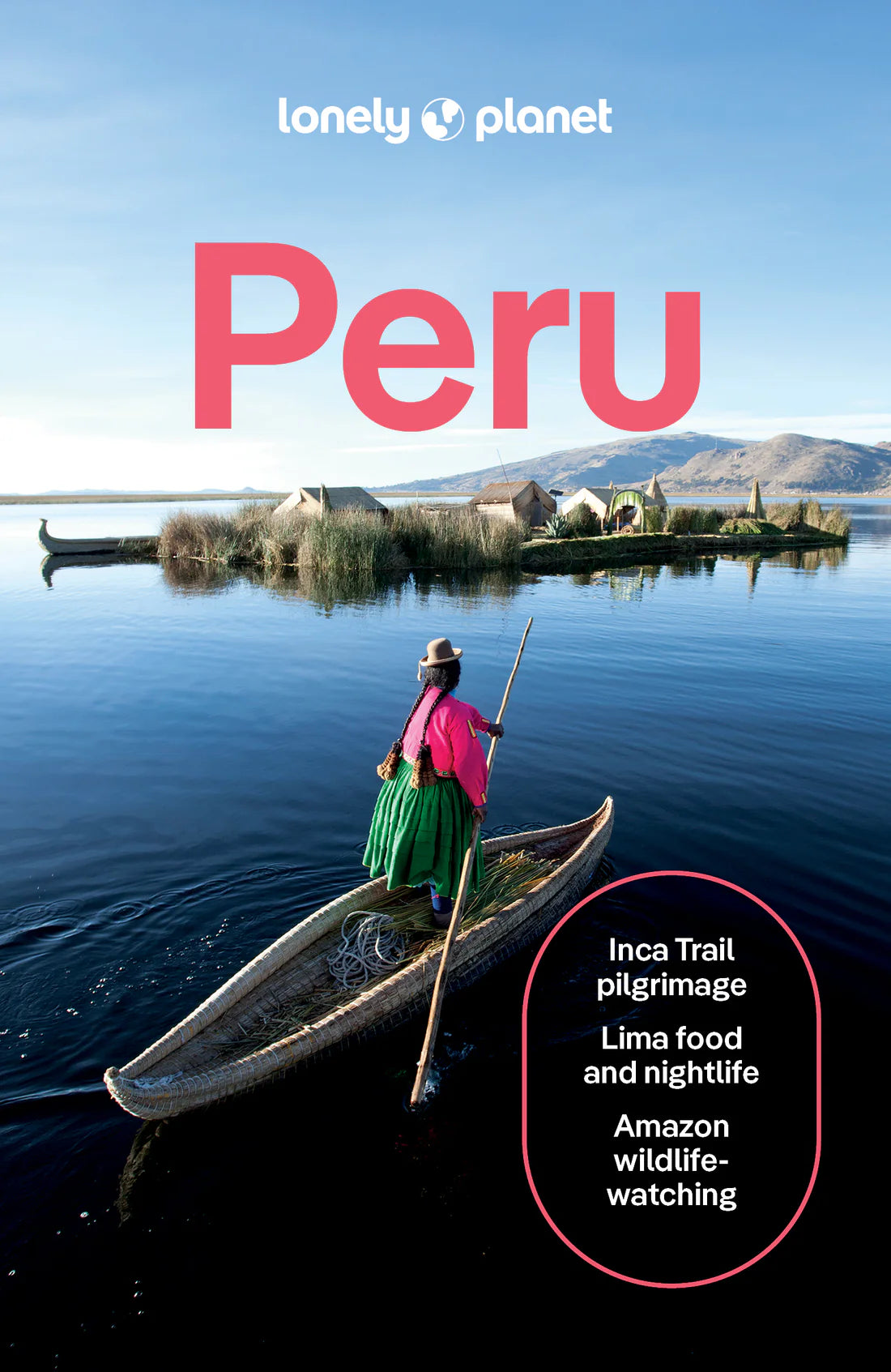
Lake Titicaca is the highest navigable lake in the world. It lies on the border between Peru and Bolivia. The lake is home to unique islands and cultures. Visit the Uros floating islands made of reeds. Explore Taquile Island and meet local communities. The area offers stunning views and rich traditions.
Essential Travel Tips
Traveling to Peru can be an exciting adventure. Knowing some essential tips helps you enjoy your trip safely and smoothly. This guide covers important points about visas, health, money, and language. These tips prepare you well for your journey.
Visa And Entry Requirements
Many travelers do not need a visa for short visits. Check your country’s rules before booking your flight. Your passport should be valid for at least six months. Keep your passport and entry card safe during your trip. Some travelers may need a visa or special permits. Always check the latest entry rules before traveling.
Health And Safety Advice
Visit a doctor for vaccinations before your trip. Carry basic medicines for common issues like stomach problems. Drink bottled water and avoid ice cubes to stay safe. Use sunscreen and wear a hat to protect from the sun. Stay aware of your surroundings, especially in crowded places. Avoid showing expensive items in public to reduce risk.
Currency And Budgeting
The official currency in Peru is the Peruvian Sol (PEN). Carry small bills and coins for markets and taxis. ATMs are common in cities but rare in remote areas. Use credit cards in big hotels and restaurants only. Set a daily budget to manage your spending. Keep some cash for emergencies or small purchases.
Language Basics
Spanish is the main language spoken in Peru. Learn simple phrases like greetings and thank you. Speaking a few words helps you connect with locals easily. Most signs and menus are in Spanish. Carry a small phrasebook or translation app for help. Polite gestures and smiles work well too.

Local Cuisine To Try
Peru’s local food is a big part of its culture. Trying these dishes gives a true taste of the country. The flavors are fresh and full of history. Many recipes come from ancient times and keep traditions alive. Eating Peruvian food is a fun way to learn about the people and their land.
Popular Dishes
Ceviche is Peru’s most famous dish. It uses raw fish marinated in lime juice. The fish becomes tender and full of flavor. Another favorite is Lomo Saltado, a beef stir-fry with onions and tomatoes. Aji de Gallina is a creamy chicken stew with spicy sauce. Don’t miss out on Anticuchos, grilled meat skewers with a smoky taste. Each dish offers a unique taste of Peru’s diverse regions.
Street Food Experiences
Street food shows Peru’s lively food culture. Try anticuchos from street vendors for an authentic snack. Choclo con queso is corn with fresh cheese, simple and tasty. Empanadas filled with meat or cheese make a quick meal. In the markets, you can find fresh fruit juices and sweet treats. Street food is cheap and a great way to try many flavors fast.
Dining Etiquette
In Peru, wait for the host to start eating first. Use a fork and knife for most dishes. It is polite to say “buen provecho” before meals, meaning enjoy your food. Avoid loud eating or talking with your mouth full. Leaving a small tip is common in restaurants. These simple rules show respect and help you blend in.
Transportation Options
Transportation in Peru offers many choices for all travelers. Whether visiting big cities or exploring remote areas, options vary widely. Knowing the best way to move helps save time and money. This guide covers city travel, long trips, and adventurous rides.
Getting Around Cities
In cities, buses and taxis are common and cheap. Many cities have shared vans called combis that follow fixed routes. Walking works well in small towns and historic centers. Some cities offer safe bike rentals for short trips. Traffic can be busy, so plan extra time.
Long-distance Travel
Buses connect most towns and cities in Peru. They range from simple to luxury coaches with Wi-Fi and air conditioning. Flights are fast for long distances, such as Lima to Cusco. Train rides offer scenic views, especially near Machu Picchu. Booking tickets early is wise during peak season.
Adventure Travel Modes
For thrill-seekers, Peru has unique travel options. Mountain biking and hiking are popular in the Andes. Boats travel on rivers in the Amazon basin. Jeep tours explore rough roads and highland villages. These modes add excitement and let you see hidden places.
Cultural Insights
Peru offers a rich cultural experience that goes beyond its famous landmarks. Understanding local culture helps travelers connect deeply with the country. It opens doors to unique moments and meaningful interactions. Learning about traditions, customs, and respectful behavior enriches every visit.
These cultural insights make your journey more memorable and respectful. They show appreciation for Peru’s diverse heritage and vibrant communities.
Festivals And Traditions
Peru’s festivals are colorful and lively. They blend ancient Andean rituals with Spanish influences. Inti Raymi, the Festival of the Sun, celebrates the Inca sun god. It takes place every June in Cusco with music and dance. Another popular event is the Virgen de la Candelaria festival. This festival mixes Catholic and indigenous traditions. It features parades, costumes, and folk music. Festivals offer a glimpse into Peru’s rich history and community spirit.
Local Customs
Greetings in Peru are warm and polite. Handshakes and cheek kisses are common. Respect for elders and family is very strong. People often use formal titles like Señor or Señora. Sharing food and drink is a sign of friendship. It is polite to try local dishes and offer thanks. Small gestures show respect and openness to local life.
Respectful Travel Practices
Travelers should dress modestly in rural areas and sacred sites. Always ask permission before taking photos of people. Avoid touching sacred objects or artifacts. Support local artisans by buying handmade crafts. Use reusable water bottles to protect the environment. Listening and learning from locals shows respect. These habits help preserve Peru’s culture and nature.
Packing Essentials
Packing for Peru requires careful thought. The country’s varied climate and terrain demand versatile items. This guide highlights key essentials for a smooth trip.
Prepare for hot days, chilly nights, and outdoor adventures. Each item plays a role in comfort and safety during your travels.
Clothing Recommendations
Bring lightweight shirts for warm days and long sleeves for sun protection. Layering is important. Include a warm jacket for cold evenings, especially in the mountains. Comfortable walking shoes are a must. A hat and sunglasses protect against strong sunlight. Rain can surprise you, so pack a waterproof jacket or poncho.
Gear For Outdoor Activities
Hiking boots provide support on rough trails. A daypack holds water, snacks, and essentials. Trekking poles help on steep paths. A reusable water bottle keeps you hydrated. Don’t forget a flashlight or headlamp for early starts or night walks. Binoculars enhance wildlife watching in natural reserves.
Health And Safety Items
Carry basic medicines for stomach issues and pain relief. Sunscreen prevents sunburn at high altitudes. Insect repellent protects from bugs in jungle areas. Bring hand sanitizer and wet wipes for cleanliness. A small first aid kit handles minor injuries. Keep copies of important documents in a secure place.
Budget Planning
Planning your budget is key to enjoying Peru without stress. Knowing your costs helps you stay in control of spending. It makes your trip smooth and fun. This section covers how to plan your budget well.
Accommodation Choices
Peru offers many places to stay for every budget. Hostels are cheap and popular among travelers. Guesthouses provide a cozy, local feel at low prices. Mid-range hotels offer more comfort but cost more. Booking early can save money on rooms.
Daily Expenses
Daily costs include food, transport, and activities. Street food is tasty and very affordable. Local buses and shared taxis cost less than private rides. Entrance fees for attractions vary, so plan ahead. Small expenses add up, so track them daily.
Money-saving Tips
Carry cash but avoid changing money at airports. Use ATMs in cities for better rates. Buy souvenirs at markets, not tourist shops. Travel with a reusable water bottle to save on drinks. Choose free walking tours to explore and learn cheaply.
Frequently Asked Questions
What Is The Best Time To Visit Peru?
The best time to visit Peru is during the dry season from May to September. This period offers clear skies and ideal hiking conditions, especially for Machu Picchu and the Andes. However, the Amazon rainforest is lush year-round.
What Are Must-see Attractions In Peru?
Must-see attractions include Machu Picchu, the Sacred Valley, Lake Titicaca, and the Colca Canyon. Lima’s historic center and the Nazca Lines are also popular. Each destination offers unique cultural and natural experiences.
Is Peru Safe For Tourists?
Peru is generally safe for tourists when common precautions are followed. Avoid isolated areas at night and keep valuables secure. Use authorized guides and transportation to ensure safety during your trip.
What Currency Is Used In Peru?
The currency used in Peru is the Peruvian Sol (PEN). It is widely accepted across the country. Currency exchange is available at banks, airports, and exchange offices in major cities.
Conclusion
Peru offers a rich mix of history, nature, and culture. This travel guide book helps you plan your trip easily. Discover ancient ruins, vibrant cities, and stunning landscapes. Enjoy local food and meet friendly people along the way. Use this guide to find the best places to visit and things to do.
Your adventure in Peru will be full of unforgettable moments. Start your journey with confidence and excitement. Peru awaits your exploration.