Guides
Foreign Travel Guide: Ultimate Tips for Stress-Free Adventures
Planning your next trip abroad? Whether it’s your first time or you’re a seasoned traveler, a smart guide can make all the difference.
You want to avoid common mistakes, save money, and enjoy every moment without stress. This foreign travel guide is designed just for you—to help you navigate new places with confidence. Keep reading, and you’ll discover simple tips that make your adventure smoother, safer, and more exciting.
Your best trip yet starts here.
Planning Your Trip
Planning your trip is the first step to a great travel experience. It helps you avoid last-minute stress and surprises. Careful planning saves time and money. It also makes the journey more enjoyable. Let’s explore key points to consider before you start packing.
Choosing The Right Destination
Pick a place that fits your interests and needs. Think about the weather, culture, and activities available. Check travel advisories and safety. Choose a destination that matches your travel style. Consider how far you want to go and how long you will stay.
Setting A Realistic Budget
Decide how much money you can spend. Include costs for flights, hotels, food, and activities. Leave some money for unexpected expenses. A clear budget helps avoid stress during the trip. It also guides your choices for accommodation and travel options.
Booking Flights And Accommodation
Book flights early for better prices and seats. Compare different airlines and routes. Look for flexible tickets in case plans change. Choose accommodation that fits your budget and comfort needs. Read reviews and check location before booking. Early booking ensures availability and peace of mind.
Preparing Documents
Preparing your documents is a key step before traveling abroad. It helps avoid problems at airports and border control. Organizing your papers early saves time and stress. Double-checking everything ensures smooth travel. Below are essential tips to prepare your travel documents properly.
Passport And Visa Essentials
Your passport must be valid for at least six months beyond your trip. Many countries require this rule. Check your passport’s expiration date now. Apply for a new passport if needed. Some countries also need a visa. Research visa rules for your destination. Apply for visas well before your travel date. Keep your passport and visa in a safe place.
Travel Insurance Tips
Travel insurance protects you from unexpected costs. It covers medical emergencies, trip cancellations, and lost luggage. Choose a policy that fits your trip length and activities. Carry a printed copy of your insurance policy. Save a digital copy on your phone too. Confirm the insurance covers your destination.
Important Copies And Digital Backups
Make photocopies of important documents like passport and visa pages. Keep one set with you and leave another at home. Scan your documents and save them on a cloud service. This helps if you lose your papers. Also save copies of travel insurance and emergency contacts. Having backups makes travel safer and easier.
Packing Smart
Packing smart makes travel easier and more enjoyable. It saves space and avoids heavy bags. Being prepared helps you focus on fun and new experiences. Smart packing means choosing the right items for your trip. It also means organizing well to find things quickly.
Must-have Travel Gear
Choose gear that is useful and lightweight. A good backpack or suitcase with wheels helps. Packing cubes keep clothes neat and save space. A reusable water bottle keeps you hydrated. Travel adapters work in many countries. A small first aid kit can be very helpful. Don’t forget chargers and power banks for devices.
Clothing Tips For Different Climates
Check the weather before packing clothes. For hot places, bring light, breathable fabrics. Long sleeves and hats protect from the sun. In cold areas, pack layers like sweaters and jackets. Waterproof items help in rainy weather. Choose clothes that dry quickly and don’t wrinkle. Wear comfortable shoes that match your activities.
Packing Light And Efficiently
Focus on items you really need. Limit shoes to two or three pairs. Roll clothes instead of folding to save space. Use travel-size toiletries to reduce weight. Plan outfits that mix and match easily. Keep important documents and valuables in a carry-on bag. Leave extra space for souvenirs or gifts.
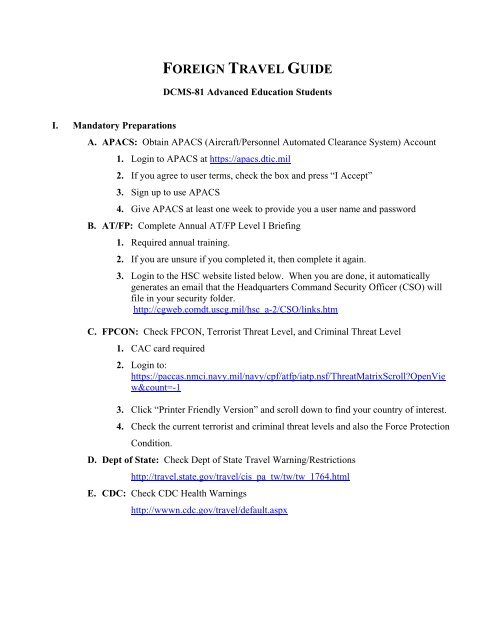
Staying Safe Abroad
Traveling to a foreign country can be exciting and fun. Staying safe is very important to enjoy your trip fully. A little preparation helps avoid problems and keeps you healthy. Follow simple safety tips for a smooth journey.
Health Precautions And Vaccinations
Check health advice for your destination before travel. Some countries need special vaccines to protect against illness. Visit a doctor early to get shots and advice. Carry a small first-aid kit with basic medicines. Drink bottled water to avoid stomach problems. Wash hands often or use hand sanitizer.
Avoiding Common Scams
Be careful with strangers offering deals that seem too good. Keep your money and documents in a safe place. Use official taxis and avoid unmarked cars. Say no politely but firmly if someone pressures you. Learn about common scams in the area. Stay alert in crowded places and tourist spots.
Emergency Contacts And Local Laws
Write down emergency phone numbers like police and ambulance. Know the address of your country’s embassy or consulate. Understand local laws and customs to avoid trouble. Follow rules about dress, photography, and behavior. Respect local culture to stay safe and welcome. Keep your phone charged for quick help if needed.
Managing Money
Managing money during foreign travel requires careful planning. Money issues can cause stress and spoil your trip. Knowing how to handle currency, cards, and budgets helps you enjoy your journey more.
Currency Exchange Strategies
Exchange money before you leave home for better rates. Use official exchange offices or banks abroad. Avoid exchanging money at airports; rates are often poor. Carry small bills and coins for small purchases. Check local currency values to avoid confusion.
Using Credit Cards And Cash
Carry both credit cards and cash for safety. Use credit cards for hotels and big expenses. Keep cash for markets, taxis, and tips. Inform your bank about your travel to avoid card blocks. Choose cards with no foreign fees to save money.
Budget Tracking On The Go
Track your spending daily to avoid surprises. Use simple apps or a small notebook. Record all expenses, even small ones. Adjust your spending if you go over budget. Staying aware helps you control your money better.
Navigating Transportation
Navigating transportation in a foreign country can be challenging. Understanding options helps save time and reduce stress. This section covers key tips for smooth travel.
Learn how to get from the airport to your destination. Explore local transport choices, renting vehicles, and using digital maps.
Airport Transfers And Local Transport
Airport transfers often offer the easiest way to start your trip. Many airports have shuttle buses, taxis, or rideshares. Some hotels provide free or paid airport pickup. Check options before arrival.
Local transport varies by city and country. Buses and trains are usually affordable and reliable. In some places, trams or subways are common. Learn local routes and ticket rules to avoid confusion.
Renting Vehicles Abroad
Renting a car gives freedom to explore at your own pace. Make sure to check the driver’s license rules for the country. Some places need an international driving permit. Always inspect the vehicle for damage before renting.
Understand local driving laws. Speed limits and road signs might be different. Parking can be limited in cities. Plan your routes and parking spots ahead.
Using Maps And Navigation Apps
Digital maps help find routes quickly. Many apps work offline after downloading maps. This saves data and avoids losing connection. Use apps that show public transport schedules and walking paths.
Set your destination before starting your trip. Follow voice directions to stay focused on the road. Check app reviews to pick the most reliable one for your location.
Cultural Etiquette
Traveling to a new country means more than just visiting places. It requires understanding the culture. Cultural etiquette helps show respect. It makes your trip smoother and more enjoyable. Knowing how to behave shows kindness. It opens doors to new friendships and experiences.
Respecting Local Customs
Every country has its own customs. These may include dress codes, greetings, and behavior. Observe how locals act. Follow their example to avoid offense. For example, remove shoes before entering homes in some Asian countries. Avoid loud talking or public displays of affection in conservative places. Small actions show respect and understanding.
Language Tips And Phrases
Learning key words helps connect with locals. Simple greetings like “hello,” “please,” and “thank you” go a long way. Use polite phrases to show respect. Speak slowly and clearly. Use body language like smiles and nods. Carry a phrasebook or use translation apps for help.
Tipping And Social Norms
Tipping customs vary worldwide. Some countries expect tips, others do not. Research tipping rules before you travel. In some places, not tipping may be rude. In others, it could offend. Social norms also include gestures and eye contact. Understand what is polite and what is not.

Maximizing Your Experience
Traveling abroad offers a chance to see new places and learn about different cultures. To make the most of your trip, focus on planning, meeting people, and capturing memories. These steps help create a richer and more enjoyable experience.
Planning Activities And Sightseeing
Choose activities that match your interests and energy levels. Research popular attractions and hidden gems in advance. Create a flexible schedule to avoid rushing. Include breaks to rest and enjoy your surroundings. Prioritize unique experiences over just ticking off landmarks.
Connecting With Locals
Talk to local people to understand their culture better. Visit markets, cafes, and community events to meet residents. Learn a few basic phrases in the local language. Show respect for customs and traditions. Genuine connections often lead to memorable stories and new friendships.
Capturing Memories
Take photos to remember special moments and places. Write a travel journal or use a voice recorder. Share stories with friends and family after your trip. Avoid spending too much time behind the camera. Live in the moment and enjoy the experience fully.
Dealing With Unexpected Issues
Traveling abroad can bring joy and adventure. Yet, unexpected problems may arise. Knowing how to handle these issues helps keep your trip smooth and safe. Prepare for common troubles like lost items, flight delays, or needing medical help. This guide gives simple tips to manage such challenges with ease.
Handling Lost Items
Losing personal belongings can cause stress during travel. Stay calm and think clearly. Report lost items to the local police and your hotel immediately. Contact your embassy if your passport is missing. Keep digital copies of important documents on your phone or cloud. Use a tracking app for valuables like phones or bags. This quick action can help you recover lost items faster.
Managing Flight Delays
Flight delays often disrupt travel plans. Check your airline app or website for updates. Stay near the gate and listen for announcements. Ask airline staff about your options if the delay is long. Request meal vouchers or hotel stays if offered. Use the extra time to rest or explore the airport. Staying patient and prepared reduces frustration during delays.
Accessing Medical Help
Illness or injury can happen anywhere. Carry a basic first aid kit on your trip. Know the location of the nearest hospital or clinic. Use your travel insurance to cover medical costs. Call emergency numbers if needed. Explain your symptoms clearly to doctors. Keep a list of your medications and allergies handy. Quick action and knowing where to go can protect your health abroad.
Frequently Asked Questions
What Are Essential Documents For Foreign Travel?
You need a valid passport and visa for most foreign trips. Carry travel insurance and emergency contacts. Keep digital and physical copies of these documents safe during your journey.
How To Prepare For Foreign Currency Exchange?
Research the current exchange rates before your trip. Use official currency exchange centers or banks to avoid scams. Avoid exchanging large amounts at airports for better rates.
What Health Precautions Should I Take Before Traveling Abroad?
Check required vaccinations for your destination. Carry prescribed medications and a basic first-aid kit. Stay hydrated and practice good hygiene to avoid illnesses during travel.
How Can I Stay Safe While Traveling Internationally?
Stay aware of your surroundings and avoid risky areas. Keep valuables secure and use reputable transport services. Share your itinerary with trusted contacts and register with your embassy if possible.
Conclusion
Traveling abroad opens doors to new experiences and cultures. Plan well to enjoy your trip without stress. Keep important documents safe and know local customs. Try local foods and meet new people. Stay curious and flexible for unexpected moments. Every journey teaches something valuable and creates lasting memories.
Pack light and stay aware of your surroundings. Safe travels lead to happy adventures and stories to share.