Destinations
United Flights: Navigating the Skies with Ease

United Airlines, often simply referred to as United, is a major American airline headquartered at Willis Tower in Chicago, Illinois. It operates a vast domestic and international network, serving cities across six continents. As one of the world’s largest airlines, by fleet size and the number of routes, United plays a significant role in global air travel, connecting passengers and cargo to diverse destinations. The airline is a founding member of the Star Alliance, the world’s largest airline alliance, further extending its reach and connectivity.
Historical Trajectory and Evolution
United’s origins trace back to the establishment of Varney Air Lines in 1926. This initial venture, founded by Walter Varney, focused on airmail service. Over the subsequent decades, through a series of mergers and acquisitions, including the consolidation of various airmail contractors under the umbrella of United Aircraft and Transport Corporation, the airline began to take its modern form. This process involved the integration of Boeing Air Transport, National Air Transport, Pacific Air Transport, and the aforementioned Varney Air Lines. The Air Mail Act of 1934 mandated the separation of aircraft manufacturing and airline operations, leading to the creation of United Air Lines as an independent entity.
The 20th century saw United expand its route network significantly, introducing services across the continental U.S. and later venturing into international markets. Key milestones include the introduction of jet aircraft in the late 1950s and its subsequent involvement in the development of wide-body jets like the Boeing 747. The airline also played a pioneering role in the development of computerized reservation systems, streamlining booking processes for passengers. The acquisition of Pan Am’s Pacific routes in 1986 marked a substantial expansion of United’s international footprint, particularly in the Asia-Pacific region.
Major Mergers and Strategic Alliances
United’s growth has been punctuated by significant mergers that reshaped its operational landscape. These integrations were not merely administrative exercises; they represented tectonic shifts in the airline’s market position, route structure, and competitive posture.
The Continental Airlines Merger (2010)
One of the most consequential mergers in aviation history involved United Airlines and Continental Airlines in 2010. This union created United Continental Holdings, Inc., at the time, the world’s largest airline. The rationale behind this merger was multifaceted: to create a more comprehensive global network, achieve cost synergies through operational consolidation, and enhance competitive standing against other major carriers. The integration process, however, was complex. It involved reconciling two distinct corporate cultures, harmonizing disparate IT systems, and re-branding a unified fleet. For passengers, this merger meant expanded route options, particularly to key international hubs, but also periods of operational adjustments as the two entities coalesced. The unified entity, now legally known as United Airlines, Inc., continues to operate under the United brand.
Star Alliance Membership
United is a founding member of the Star Alliance, established in 1997. This alliance, designed to provide a seamless travel experience across a global network, allows member airlines to offer reciprocal benefits, such as frequent flyer program accrual and redemption, lounge access, and codeshare flights. For the passenger, Star Alliance membership functions as a universal translator in the complex language of air travel. It means that whether you are flying United from Chicago to London or connecting to a Lufthansa flight from London to Berlin, your benefits and recognition as a frequent flyer generally remain consistent. This interconnectedness allows for greater flexibility and convenience, simplifying itineraries that span multiple carriers and regions. The Star Alliance network significantly extends United’s reach beyond its proprietary routes, offering passengers access to hundreds of additional destinations worldwide.
If you’re interested in learning more about United Airlines and their flight policies, you might find this article on travel tips and airline regulations particularly helpful. It provides insights into what to expect when flying with United, including baggage policies and customer service options. You can read the article here: Travel Inner: Privacy Policy.
Operational Hubs and Network Architecture
United’s network is anchored by a series of strategically located hub airports. These hubs serve as central points for connecting flights, allowing passengers to travel efficiently between various origins and destinations. Understanding the hub system is key to comprehending the airline’s operational strategy and how your flight connections are choreographed.
Key Domestic Hubs
United operates major domestic hubs that serve as critical junctions for its extensive route network. Each hub is like a central nervous system for specific regions, processing an immense volume of flights and millions of passengers annually.
Chicago O’Hare International Airport (ORD)
Chicago O’Hare International Airport is United’s largest hub and serves as its primary gateway to the Midwest and beyond. From ORD, United operates a dense schedule of flights to cities across the United States, as well as numerous international destinations in Europe, Asia, and Latin America. The airport’s central geographic location makes it an effective transfer point for travelers crossing the country.
Denver International Airport (DEN)
Denver International Airport is another critical hub for United, particularly for connecting passengers to and from the Western United States, including mountain states and the Pacific Northwest. DEN’s strategic location facilitates access to a wide range of domestic destinations and a growing number of international routes.
Houston George Bush Intercontinental Airport (IAH)
Houston’s George Bush Intercontinental Airport serves as United’s primary southern hub, offering extensive connections to Latin America, the Caribbean, and other domestic markets. Its geographic position makes it a vital point of entry and exit for travelers to and from these regions.
Los Angeles International Airport (LAX)
Los Angeles International Airport is a significant trans-Pacific gateway for United. From LAX, the airline offers numerous flights to Asia and Australia, alongside a robust domestic network connecting the West Coast to points across the U.S.
Newark Liberty International Airport (EWR)
Newark Liberty International Airport serves as United’s primary East Coast international gateway, especially for flights to Europe, the Middle East, and India. EWR’s proximity to New York City makes it a crucial access point for one of the world’s major financial and cultural centers.
San Francisco International Airport (SFO)
San Francisco International Airport is United’s principal hub for trans-Pacific routes to Asia and Australia, similar to LAX. It also provides connections to a variety of domestic destinations.
Washington Dulles International Airport (IAD)
Washington Dulles International Airport serves as United’s other major East Coast international hub, with a focus on flights to Europe, Africa, and the Middle East, as well as a strong domestic network. It provides direct access to the nation’s capital.
International Gateways
United’s international gateways are the airline’s ports of entry and departure for its global reach. These airports are designed to efficiently handle vast numbers of international travelers and their associated customs and immigration processes. While many of the aforementioned hubs also serve as international gateways, their designation highlights their dual function as both domestic connectors and international portals. The presence of United’s extensive international network means that a traveler flying between two international hubs, say EWR and FRA (Frankfurt, a Star Alliance hub), can expect a relatively seamless journey facilitated by inter-airline agreements.
Fleet and Aircraft Modernization
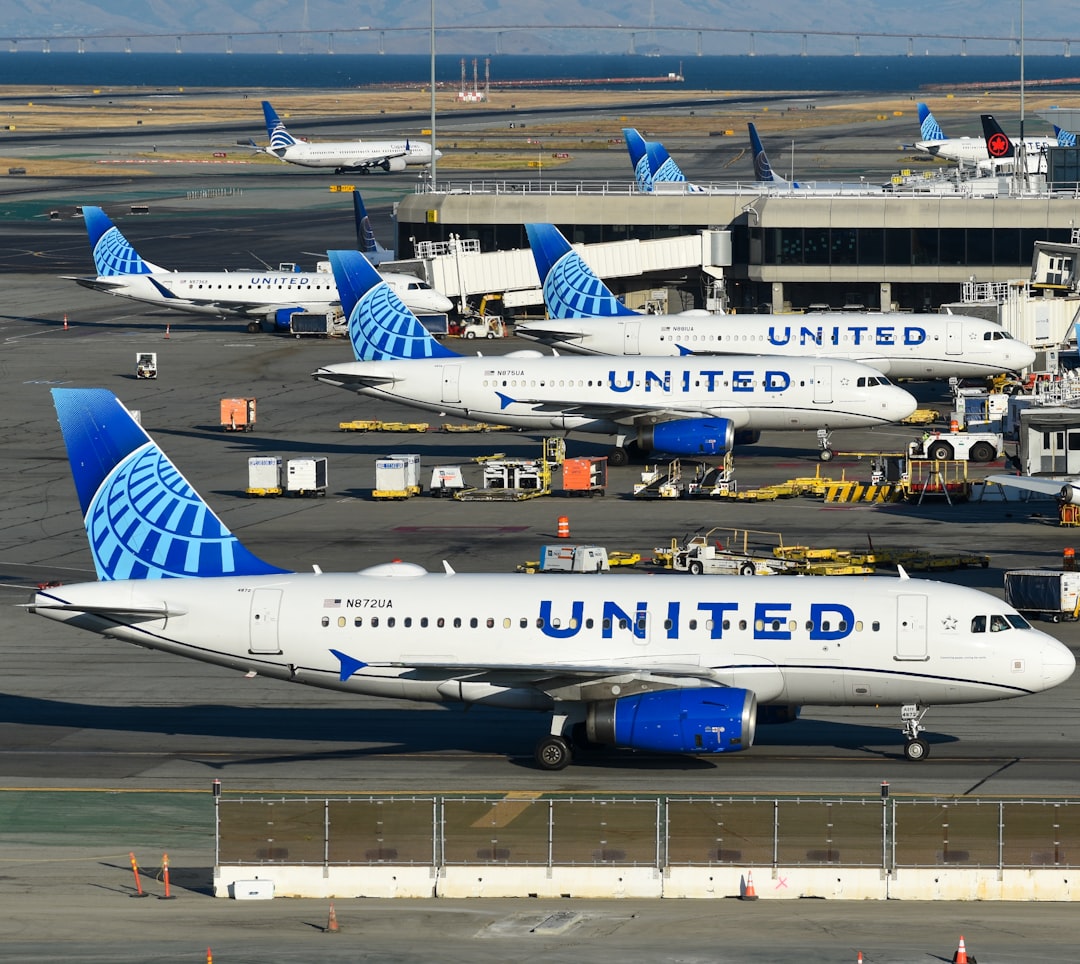
United operates one of the largest and most diverse fleets in the airline industry. Its strategy for fleet management involves a continuous cycle of modernization, retiring older aircraft and introducing newer, more fuel-efficient, and technologically advanced models. This is not merely about aesthetics; it is a critical component of operational efficiency, environmental responsibility, and passenger comfort.
Fleet Composition
United’s fleet primarily consists of Boeing and Airbus aircraft. The airline operates a mix of narrow-body jets for shorter and medium-haul domestic routes, and wide-body jets for long-haul domestic and international flights. The composition of the fleet is continually adjusted to meet market demand, fuel efficiency targets, and operational requirements. The narrow-body component includes various models of the Boeing 737 and Airbus A320 families, workhorses of the domestic network. For longer flights, the airline deploys wide-body aircraft such as the Boeing 777, Boeing 787 Dreamliner, and Boeing 767. Each aircraft type serves a specific purpose, tailored to the demands of varying route lengths and passenger capacities.
Modernization Initiatives
United has undertaken significant fleet modernization initiatives in recent years. This includes substantial orders for new aircraft, such as hundreds of Boeing 737 MAX aircraft and Airbus A321neos, which offer improved fuel efficiency and reduced emissions compared to their predecessors. The introduction of these new aircraft is a proactive measure to lower operating costs, enhance environmental performance, and improve the passenger experience with updated cabin interiors and amenities. The airline is systematically replacing older-generation aircraft, which helps streamline maintenance procedures and provides a more consistent product for its customers. This ongoing investment in new aircraft represents a long-term commitment to operational excellence and sustainability.
Passenger Experience and Services
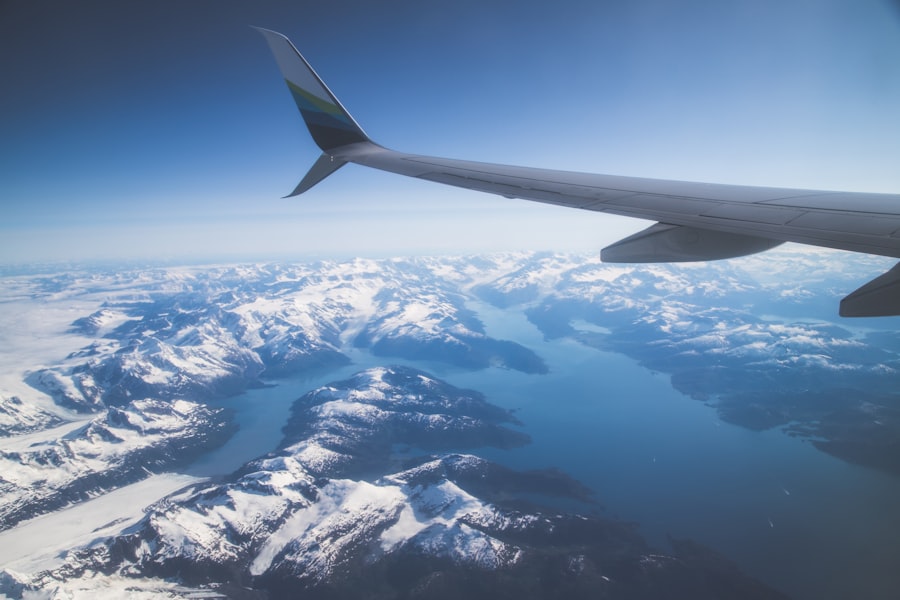
United aims to provide a comprehensive passenger experience that caters to various travel needs and preferences. From booking and check-in to in-flight services and post-flight support, the airline offers a range of options designed to facilitate your journey.
Cabin Classes and Amenities
United offers multiple cabin classes to accommodate different budgets and travel objectives. Understanding these distinctions can help you select the appropriate service level for your trip.
United Polaris Business Class
United Polaris Business Class is designed for long-haul international flights. It features lie-flat seats, enhanced dining options, premium amenities, and dedicated lounge access at select airports. The goal of Polaris is to create a more restorative and comfortable experience for transcontinental and intercontinental journeys, acknowledging that long-haul travel can be demanding.
United Premium Plus
United Premium Plus is a premium economy cabin offering more space, enhanced dining, and amenities beyond standard economy, but without the full lie-flat experience of Polaris. This cabin is a bridge between economy and business class, providing an upgrade in comfort for those who seek more without the higher price point of Polaris.
Economy Plus
Economy Plus offers additional legroom in the economy cabin. While it does not include enhanced services like upgraded meals, the extra space can significantly improve comfort on flights of any duration. It is generally available for purchase or as a benefit for elite frequent flyers.
Economy
United’s Economy cabin provides the standard level of service with regular seating. While it is the most economical option, the airline continues to invest in seat comfort and in-flight entertainment across its entire economy fleet.
In-Flight Entertainment and Connectivity
United offers various in-flight entertainment options, including seat-back screens on many aircraft, streaming content to personal devices, and Wi-Fi connectivity. The availability and cost of these services can vary depending on the aircraft type and route. Internet access, while increasingly common, is typically offered at a charge and can operate at varying speeds. The content selection often includes movies, television shows, and music, designed to mitigate the monotony of travel.
Loyalty Programs
United’s loyalty program, MileagePlus, allows members to earn and redeem miles for flights, upgrades, and other travel-related benefits. Elite status tiers within MileagePlus offer additional perks such as complimentary upgrades, baggage allowances, and preferred seating. The program is part of the Star Alliance network, enabling members to earn and redeem miles on partner airlines, further extending its utility. MileagePlus is designed to incentivize repeat travel with United and its alliance partners, rewarding frequent flyers with tangible benefits that enhance their travel experience.
If you’re looking for more information on United flights, you might find it helpful to read a related article that discusses the latest updates and tips for travelers. This resource can provide insights into booking strategies, flight changes, and customer service options. For more details, check out this informative piece on travel tips for United Airlines here.
Navigating Challenges and Future Outlook
| Flight Number | Departure City | Arrival City | Departure Time | Arrival Time | Status | Duration |
|---|---|---|---|---|---|---|
| UA101 | New York (JFK) | Chicago (ORD) | 08:00 AM | 10:00 AM | On Time | 2h 0m |
| UA202 | San Francisco (SFO) | Houston (IAH) | 09:30 AM | 03:45 PM | Delayed | 4h 15m |
| UA303 | Denver (DEN) | Los Angeles (LAX) | 11:00 AM | 12:30 PM | On Time | 1h 30m |
| UA404 | Washington D.C. (DCA) | Miami (MIA) | 01:15 PM | 04:00 PM | Cancelled | 2h 45m |
| UA505 | Boston (BOS) | Seattle (SEA) | 03:00 PM | 06:30 PM | On Time | 5h 30m |
The airline industry is inherently dynamic, subject to economic fluctuations, geopolitical events, and technological advancements. United, like all major carriers, continually adapts to these shifting landscapes.
Industry Challenges
United faces a range of industry challenges. Fuel price volatility directly impacts operational costs, requiring sophisticated hedging strategies. Regulatory changes, both domestic and international, can influence route structures, environmental mandates, and operational procedures. Intense competition from other full-service carriers and low-cost airlines necessitates continuous innovation in service, pricing, and network planning. Labor relations within a complex unionized workforce also present ongoing management considerations. The unpredictable nature of global events, such as pandemics or geopolitical conflicts, can suddenly disrupt travel patterns and demand, requiring airlines to be agile in their response.
Sustainability Initiatives
United has outlined ambitious sustainability goals, including a commitment to achieving 100% green by reducing its greenhouse gas emissions 100% by 2050, without relying on traditional carbon offsets. This involves significant investments in sustainable aviation fuel (SAF), fleet modernization with more fuel-efficient aircraft, and exploring new technologies like electric and hydrogen-powered aircraft. The airline is actively pursuing partnerships and investments to scale up the production and adoption of SAF, which is seen as a crucial component in decarbonizing air travel. For the traveler, this commitment represents a move towards more environmentally responsible air travel, directly addressing growing concerns about the environmental impact of flying.
Future Developments
United is focused on continued network expansion, particularly in international markets, and further enhancing the passenger experience through technology and personalized services. Investments in digital platforms and customer service tools are designed to streamline interactions and provide more real-time information to travelers. The airline also continues to explore emerging technologies, such as advanced data analytics for operational efficiency and AI-driven personalized offers. The future of United involves a relentless pursuit of operational excellence, a commitment to environmental stewardship, and an unwavering focus on adapting to the evolving needs and expectations of the global traveler. Your journey with United, therefore, is part of a larger, evolving narrative in aviation.