Destinations
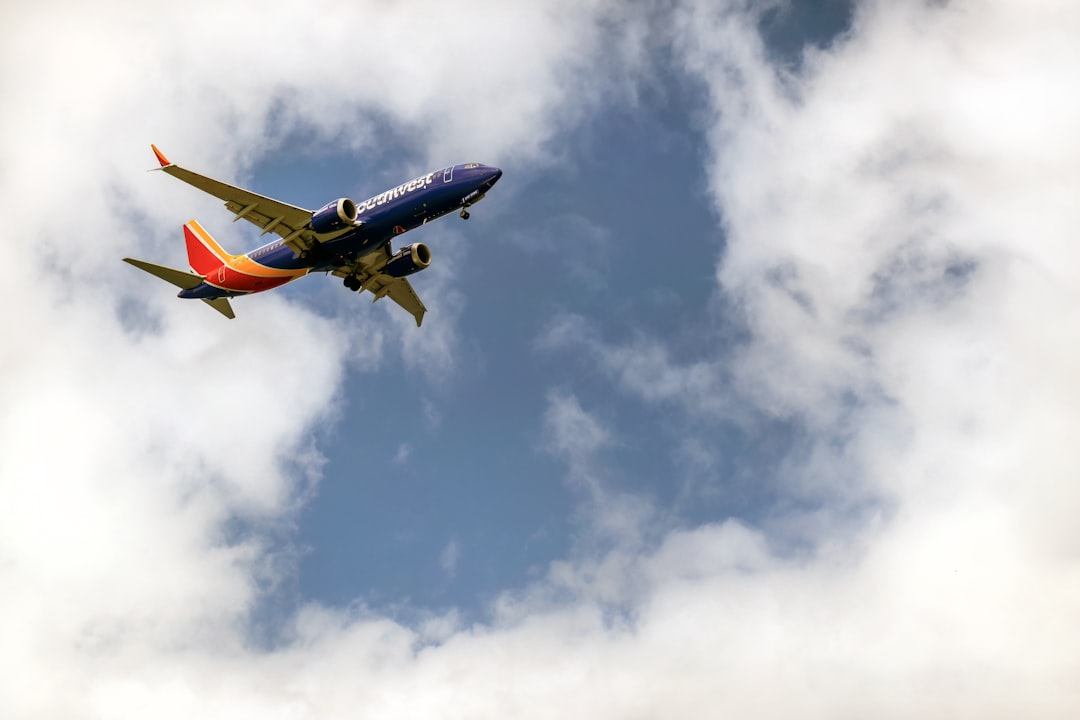
Southwest Flight: A Smooth Ride to the Southwest

This article examines “Southwest Flight: A Smooth Ride to the Southwest,” a hypothetical publication or perhaps an experience. As a reader, you may encounter this phrase in various contexts, from travel guides to marketing materials. Understanding its implications requires a dissection of its component parts and the underlying realities of air travel, particularly with Southwest Airlines.
The title itself presents a claim and a geographical delineation. Let’s break down its components to understand the message it conveys.
“Southwest Flight”
This initial phrase identifies the air carrier in question: Southwest Airlines. A major player in the North American aviation market, Southwest has cultivated a distinct public image. When you see “Southwest Flight,” you should immediately recall their operational model and customer service approach.
Southwest Airlines’ Business Model
Southwest Airlines operates primarily as a low-cost carrier. They are known for several key characteristics:
- Point-to-point service: Unlike many legacy carriers that utilize a hub-and-spoke system, Southwest often flies directly between cities. This can reduce travel time and the likelihood of missed connections.
- One aircraft type: Historically, Southwest has operated almost exclusively with Boeing 737 aircraft. This standardization simplifies maintenance, pilot training, and inventory management, contributing to cost efficiency.
- Open seating: Passengers do not receive assigned seats. Instead, boarding is based on a first-come, first-served system within designated boarding groups. This eliminates the need for seat assignments and the associated booking complexities.
- Checked baggage policy: Southwest distinguishes itself by offering two free checked bags per passenger, a significant departure from most other North American airlines which charge for checked luggage.
Public Perception of Southwest Airlines
Southwest has consistently ranked highly in customer satisfaction surveys. Their brand image often emphasizes a “fun” and “friendly” flying experience, sometimes leveraging humor in their announcements. This can contribute to the perception of a “smooth ride,” as positive interactions can temper the inherent stresses of air travel.
“A Smooth Ride”
This phrase is an assertion of quality and comfort. In the context of air travel, “smooth” can refer to several aspects, both literal and figurative.
Literal Smoothness
From a literal perspective, a “smooth ride” implies minimal turbulence. While airlines cannot control atmospheric conditions, factors contributing to a smoother literal ride include:
- Aircraft maintenance: Well-maintained aircraft are less prone to mechanical issues that could cause unexpected movements or diversions. Southwest’s standardized fleet and maintenance protocols aim for high reliability.
- Pilot expertise: Experienced pilots are adept at navigating weather patterns and making adjustments to minimize turbulence. Southwest employs pilots with rigorous training.
- Route planning: Flight paths are chosen to avoid major weather disturbances whenever possible. Modern air traffic control and weather forecasting systems aid in this process.
Figurative Smoothness
Figuratively, a “smooth ride” can encompass the entire passenger experience, from booking to baggage claim. This relates to:
- Operational efficiency: On-time departures and arrivals, quick boarding processes, and efficient baggage handling all contribute to a smoother end-to-end journey.
- Customer service: Friendly and helpful staff can significantly improve a passenger’s perception of their experience. Effective resolution of issues also contributes to a smoother ride through potential hurdles.
- Comfort onboard: While seating pitch and width on low-cost carriers are often standard, factors like cabin cleanliness, working amenities, and a generally pleasant atmosphere contribute to perceived comfort.
“To the Southwest”
This final component defines the destination or region of travel. “The Southwest” typically refers to the Southwestern United States, a region characterized by its arid landscapes, unique cultural heritage, and major population centers.
Geographical Scope of “The Southwest”
States commonly considered part of the American Southwest include:
- Arizona
- New Mexico
- Nevada
- Utah
- Portions of California, Colorado, Oklahoma, and Texas
Tourist and Business Destinations
The Southwest is a popular destination for both tourism and business. Major cities like Phoenix, Las Vegas, Denver, and Dallas are significant aviation hubs. The region also boasts numerous national parks, historical sites, and outdoor recreational opportunities. Southwest Airlines has a strong presence in many of these markets, catering to leisure and business travelers alike.
If you’re interested in learning more about the latest developments in air travel, you might find this article on Southwest Airlines particularly insightful. It discusses the airline’s recent initiatives to enhance customer experience and improve operational efficiency. You can read the full article here: Southwest Airlines: Innovations in Air Travel.
The Operational Realities of Air Travel
While the title suggests an idyllic journey, it’s crucial for you as the reader to understand the inherent complexities and potential variables in air travel. No flight is immune to the vagaries of weather, mechanical issues, or unforeseen circumstances.
Weather Impacts
Weather is a primary determinant of a flight’s “smoothness.”
Turbulence
- Clear-air turbulence: This type of turbulence is not associated with clouds or storms and can be difficult to predict. It occurs when air masses moving at different speeds collide.
- Convective turbulence: Associated with thunderstorms and other strong weather systems, this turbulence can be more severe.
- Wake turbulence: Generated by the wings of larger aircraft, this can affect smaller planes following behind.
Delays and Cancellations
Adverse weather conditions like heavy snowfall, fog, thunderstorms, or high winds can necessitate flight delays or cancellations, regardless of the airline. While airlines strive to minimize these disruptions, passenger safety is the paramount concern.
Mechanical Considerations
Aircraft are complex machines, and occasional mechanical issues are an unavoidable reality.
Pre-flight Checks
Prior to each flight, pilots and ground crew conduct thorough inspections to ensure the aircraft is airworthy. Any issues detected can lead to delays as maintenance teams address them.
In-flight Malfunctions
While rare, in-flight mechanical malfunctions can occur. Pilots are trained to handle such situations and will prioritize passenger safety, which may involve diverting to an alternate airport.
Air Traffic Control and Airport Operations
A flight’s journey extends beyond the aircraft itself, interacting with a vast network of ground and air infrastructure.
Air Traffic Congestion
Busy airspace, especially near major metropolitan areas, can lead to air traffic control delays, holding patterns, and longer taxi times. This can affect the perceived “smoothness” of the journey.
Airport Infrastructure
Issues such as runway closures, gate availability, or ground crew shortages at an airport can also impact the efficiency and timeliness of a flight.
Southwest Airlines’ Strategies for a “Smooth Ride”
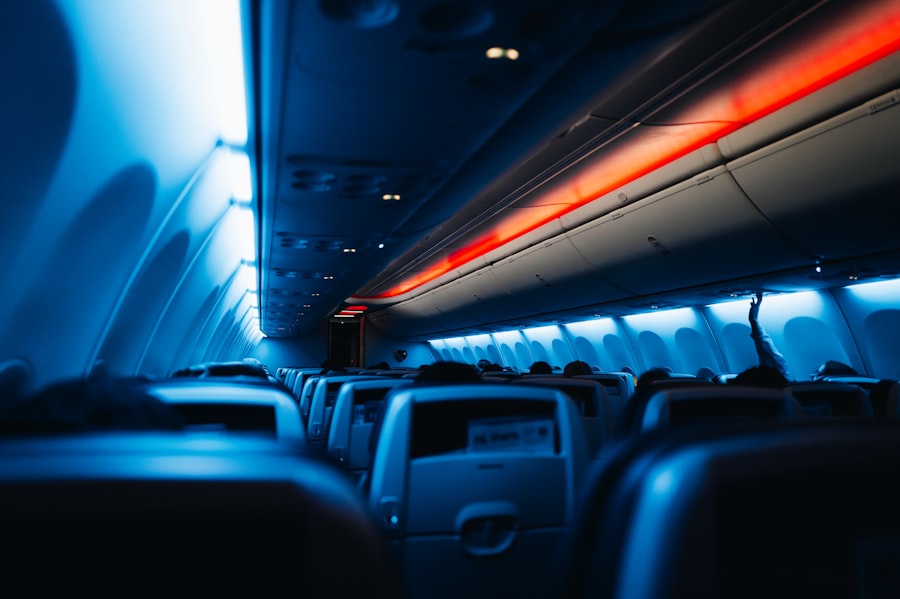
Southwest Airlines employs several strategies that contribute to its ability to offer a “smooth ride” experience for many passengers. These are not guarantees, but rather operational philosophies designed to optimize the travel process.
Operational Efficiency
Southwest’s business model is inherently geared towards efficiency.
Quick Turnarounds
Southwest is known for its rapid aircraft turnarounds at the gate. This allows them to utilize their aircraft more effectively and keep schedules tight, reducing the likelihood of cascading delays.
Standardized Fleet Benefits
Operating a single type of aircraft (Boeing 737) streamlines maintenance, parts inventory, and pilot training. This reduces complexity and can contribute to fewer unscheduled mechanical delays.
Customer-Centric Policies
Southwest’s customer service ethos often sets it apart.
Flexible Change Policies
Historically, Southwest has been relatively flexible with flight changes, often not charging change fees. This can reduce stress for passengers whose plans are fluid.
Transparent Pricing
Their pricing model is generally straightforward, including two free checked bags. This eliminates hidden fees that can cause frustration and contributes to a more predictable and “smooth” financial aspect of travel.
Employee Culture
Southwest cultivates a distinct corporate culture that often translates to the passenger experience.
Empowered Employees
Southwest encourages its employees to be personable and proactive in assisting passengers. Engaged employees can often de-escalate stressful situations and contribute positively to the overall atmosphere.
Humor and Personalization
While objective data is always essential, Southwest’s use of humor in announcements and interactions can sometimes lighten the mood, making the journey feel less austere.
Maximizing Your “Smooth Ride” Experience
As a reader considering a journey described as “Southwest Flight: A Smooth Ride to the Southwest,” there are steps you can take to enhance your own experience. While airlines strive for consistency, your preparation can significantly impact your perception of the trip.
Pre-Flight Preparation
Thorough preparation can mitigate common travel stressors.
Booking and Fare Types
Understand the fare type you’ve purchased. Southwest offers different fare classes (e.g., Wanna Get Away, Anytime, Business Select) with varying levels of flexibility and benefits, including boarding priority.
Online Check-in
Southwest allows online check-in 24 hours prior to departure. Checking in promptly is crucial for securing a good boarding position, especially with their open seating policy. The earlier you check in, the better your boarding group, and thus, your choice of seats.
Packing Smart
Take advantage of Southwest’s generous baggage policy by packing efficiently. Consider what you need for the duration and avoid overpacking, which can lead to stress at the airport.
Airport Procedures
Navigating the airport efficiently contributes to a smoother overall journey.
Arrive Early
Allow ample time for security checks, especially during peak travel periods. Rushing can elevate stress and increase the chances of missing your flight.
Understand Boarding Process
Familiarize yourself with Southwest’s open seating and boarding group system. Listen for announcements for your boarding group (A, B, or C) and assigned number within that group.
Security Screening
Have your ID and boarding pass ready. Follow TSA guidelines regarding liquids and electronics to expedite your passage through security.
In-Flight Considerations
Even after boarding, there are ways to ensure a more comfortable experience.
Seat Selection (within constraints)
With open seating, board with your group and be prepared to quickly assess your options. Consider factors like window vs. aisle, proximity to restrooms, or emergency exits.
Hydration and Movement
Long flights can be dehydrating. Drink water regularly. If conditions allow, move around the cabin when appropriate to minimize stiffness.
In-flight Entertainment
While Southwest aircraft typically do not have seat-back screens, they often offer Wi-Fi and streaming entertainment options to your personal devices. Download movies or shows beforehand as a backup.
Recently, there has been a lot of discussion surrounding the operational changes at Southwest Airlines, particularly in light of their recent flight cancellations. For those interested in understanding the broader implications of these changes, you might find this related article insightful. It delves into the factors affecting airline operations and customer experiences. To read more about it, check out this informative piece that provides a comprehensive overview of the current situation.
Conclusion
| Metric | Value | Notes |
|---|---|---|
| Number of Flights per Day | 4,000+ | Approximate daily flights operated |
| Fleet Size | 750+ | All Boeing 737 aircraft |
| On-Time Performance | ~80% | Percentage of flights arriving on time |
| Number of Destinations | 100+ | Domestic and international locations |
| Annual Passengers | 150 million+ | Approximate number of passengers carried yearly |
| Customer Satisfaction Score | 85/100 | Based on recent surveys |
“Southwest Flight: A Smooth Ride to the Southwest” posits an ideal scenario in air travel. As a reader, you should interpret this phrase as an aspirational goal tempered by the realities of a complex operational environment. Southwest Airlines, through its specific business model, customer-centric policies, and corporate culture, endeavors to provide a smooth experience. However, external factors such as weather, air traffic, and unforeseen mechanical issues are inherent variables in any air journey.
By understanding Southwest’s operational framework and taking proactive steps in your pre-flight and airport procedures, you can significantly influence the perceived “smoothness” of your journey. While no flight is guaranteed to be entirely without friction, Southwest’s approach often reduces the potential for major turbulence in the passenger experience, making a trip to the Southwestern United States, or any destination they serve, as efficient and pleasant as current aviation realities allow. The “smooth ride” then, becomes a collaboration between the airline’s systematic approach and your informed preparation.