Destinations
JetBlue: Your Top Choice for Flights

JetBlue Airways, often referred to simply as JetBlue, is an American low-cost carrier headquartered in Long Island City, Queens, New York City. Founded in 1998, it commenced operations in 2000. The airline’s stated mission is to bring humanity back to air travel, a principle that has guided its operational and customer service strategies. JetBlue operates a significant network of domestic and international routes, primarily focusing on leisure destinations in the Caribbean and Latin America, alongside its robust presence in the northeastern United States. The airline distinguishes itself within the low-cost segment through a commitment to passenger comfort and amenities, positioning itself as a hybrid carrier that offers a more premium experience than many of its competitors.
JetBlue’s business model revolves around providing a balance of affordability and elevated passenger experience. Unlike ultra-low-cost carriers, JetBlue typically offers more legroom, complimentary in-flight entertainment, and certain other amenities as standard, rather than as add-on purchases. This approach targets a broad spectrum of travelers, including budget-conscious individuals and families seeking a more comfortable journey without the exorbitant prices often associated with full-service airlines. Your decision to choose JetBlue for your flights can be a calculated one, weighing its offerings against your travel priorities.
JetBlue’s route map serves as a testament to its strategic positioning. It has cultivated a strong presence in major East Coast hubs, particularly in the Northeast, leveraging these as gateways for transcontinental flights and international expansion. Its growth has been characterized by a deliberate approach, often targeting underserved markets or routes where it can introduce its differentiated product.
East Coast Hubs and Operations
JetBlue’s operational heart beats strongly on the East Coast. New York is its ancestral home and a primary focus, with significant operations at both John F. Kennedy International Airport (JFK) and LaGuardia Airport (LGA). Boston’s Logan International Airport (BOS) is another critical hub, serving as a focal point for its operations throughout New England and its expansion into other regions. Fort Lauderdale-Hollywood International Airport (FLL) and Orlando International Airport (MCO) in Florida represent important hubs for the airline’s extensive Caribbean and Latin American operations, effectively bridging the gap between the mainland United States and these popular tourist destinations. Your journey might well begin or end in one of these strategically vital locations.
Focus on New York and Boston
These two cities are more than just operational bases; they represent JetBlue’s DNA. The airline has invested heavily in its presence at JFK and BOS, developing lounges and dedicated check-in areas that enhance the passenger experience from the outset. This deep integration into the fabric of these metropolitan areas allows JetBlue to offer a comprehensive schedule of flights, catering to both business and leisure travelers within the region and beyond.
Florida Gateway to the Tropics
Florida’s sun-drenched airports are essential launching pads for JetBlue’s tropical adventures. From Fort Lauderdale and Orlando, the airline deploys its fleet to numerous islands and coastal cities, making it a go-to carrier for those seeking a quick escape to warmer climes. This strategic deployment is key to understanding your travel options if the Caribbean is on your itinerary.
International Reach
While its roots are firmly planted in the U.S., JetBlue has steadily expanded its international footprint. Its international destinations are primarily concentrated in the Caribbean and Latin America, though it has also made inroads into select markets in Canada and South America.
Caribbean and Latin American Stronghold
JetBlue has carved out a significant niche in the Caribbean and Latin American markets. This region, characterized by high demand for leisure travel and a strong desire for comfortable, affordable air transport, aligns perfectly with JetBlue’s value proposition. You will find a wide array of destinations available, from the bustling beaches of Mexico to the vibrant cultures of the Dominican Republic and beyond.
Limited European Expansion
JetBlue’s foray into the European market, particularly with its transatlantic routes to London, represents a more recent and ambitious phase of its growth. This expansion targets a different segment of the market and showcases the airline’s intent to compete on longer-haul routes, offering its signature amenities to a wider international audience. This move fundamentally changes the competitive landscape for transatlantic travelers and presents an alternative to established carriers.
If you’re looking for more information about JetBlue flights and their services, you might find this article on travel tips and airline comparisons helpful. It provides insights into various airlines, including JetBlue, and can assist you in making informed travel decisions. Check it out here: Travel Inner – About.
Fleet and Aircraft
JetBlue’s fleet is a key component of its operational strategy and passenger experience. The airline has historically favored Airbus aircraft, known for their efficiency and passenger appeal. This choice of aircraft directly influences the comfort and amenities available to you on your flight.
Airbus Dominance
The backbone of JetBlue’s fleet is comprised of Airbus aircraft. This standardization simplifies maintenance and operations and allows the airline to implement consistent cabin configurations and passenger amenities across its fleet.
Airbus A320 Family
The Airbus A320 family, including the A320-200 and the A321 variants, forms the core of JetBlue’s domestic and shorter-haul international operations. These aircraft are known for their fuel efficiency and their ability to accommodate a significant number of passengers. The cabin configurations within these aircraft are where you will experience JetBlue’s hallmark legroom.
Airbus A320-200
The A320-200 has been a workhorse for JetBlue, enabling it to serve a wide range of routes efficiently. Its reliability and passenger capacity have made it a cornerstone of the airline’s fleet since its early days.
Airbus A321neo and A321LR/XLR
The newer A321neo, along with its longer-range variants, the A321LR (Long Range) and A321XLR (Extra Long Range), represents JetBlue’s investment in modern, fuel-efficient aircraft. These planes are crucial for expanding JetBlue’s reach, particularly on longer transatlantic routes. The XLR variant, in particular, opens up possibilities for new destinations that were previously inaccessible to the airline.
Embraer E190 Fleet
While transitioning away from its E190 fleet, this aircraft played a significant role in JetBlue’s development. It was instrumental in serving thinner routes and secondary markets where a smaller aircraft was more economically viable. Many passengers have fond memories of the more intimate cabin experience offered by the E190.
Cabin Experience and Amenities
JetBlue has consistently differentiated itself through its in-flight amenities, a deliberate strategy to elevate the passenger experience beyond the basic transportation provided by many low-cost carriers. This focus on comfort is a significant factor in your consideration of JetBlue.
Even More Space Seating
A signature offering is “Even More Space,” which provides passengers with additional legroom. This option is available on most aircraft and can be purchased at booking or later, a valuable feature for longer flights or for passengers who prioritize comfort. This is not merely an adjective; it translates into actual inches of space.
In-Flight Entertainment (IFE)
JetBlue was an early adopter and champion of free in-flight entertainment. Every seat is equipped with live, Dish Network satellite television and more than 100 channels of movies and on-demand programming on seatback screens. This commitment to entertainment is a significant draw for many travelers.
Complimentary Snacks and Drinks
Unlike many competitors that charge for snacks and beverages, JetBlue offers complimentary Brand Name snacks and drinks. This includes options like Terra brand chips and Dunkin’ coffee. This small touch contributes to a more relaxed and enjoyable flight.
Wi-Fi Connectivity
Free, high-speed Wi-Fi is available on all JetBlue aircraft, allowing passengers to stay connected, stream content, or work during their journey. This amenity is increasingly essential for modern travelers and is a strong selling point for JetBlue. It’s like having a portal to your world, even when you’re thousands of feet in the air.
Customer Service and Brand Identity
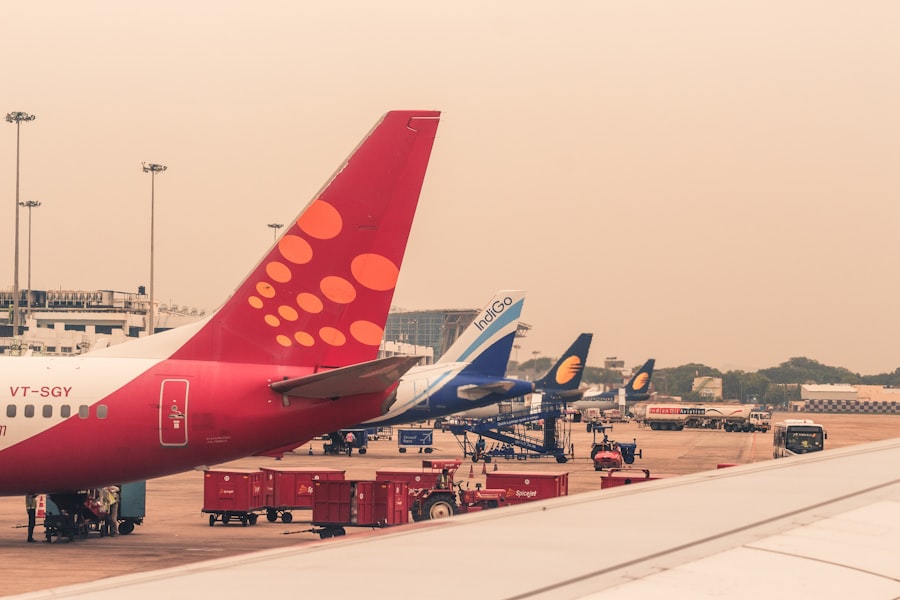
JetBlue’s brand identity is built around the concept of “traveling with a smile.” This ethos permeates their approach to customer service, aiming to make the often stressful experience of air travel more pleasant and human. Your interaction with their staff can significantly shape your perception of the airline.
“Humanity” in Air Travel
The airline’s stated mission to “bring humanity back to air travel” is not just marketing rhetoric; it’s a guiding principle. This translates into a focus on friendly, helpful service and a recognition that travelers are individuals, not just passengers.
Service Philosophy and Staff Training
JetBlue invests in training its flight attendants and ground staff to be personable and proactive. The aim is to create a welcoming atmosphere from check-in to deplaning. This focus on interpersonal skills aims to make your journey smoother.
Loyalty Program: TrueBlue
The TrueBlue loyalty program is JetBlue’s primary mechanism for rewarding frequent flyers. It operates on a points-based system, allowing members to earn points for flights and other activities, which can then be redeemed for award travel.
Earning and Redeeming Points
Points are earned based on the fare type and distance of the flight. The program also offers opportunities to earn bonus points through partner promotions and co-branded credit cards. Redemption values can fluctuate, so understanding the program’s mechanics is key to maximizing its benefits. For the frequent flyer, it’s a map to future journeys.
Safety and Reliability
As with any airline, safety and reliability are paramount considerations for travelers. JetBlue adheres to stringent safety regulations and strives for operational efficiency to minimize delays and cancellations. Your peace of mind hinges on these factors.
Safety Record
JetBlue operates under the strict oversight of aviation regulatory bodies, such as the Federal Aviation Administration (FAA) in the United States. The airline maintains a strong safety record, consistent with industry standards. Adherence to safety protocols is non-negotiable.
Operational Performance
While occasional delays and disruptions are an inherent part of air travel, JetBlue generally demonstrates good operational performance. Factors influencing this include fleet age, maintenance schedules, and air traffic control conditions. Your experience with punctuality will largely depend on these interwoven elements.
If you’re planning to book a trip with JetBlue, you might find it helpful to read an informative article about the airline’s latest offers and services. This resource provides insights into the various destinations JetBlue serves and tips for maximizing your travel experience. For more details, you can check out the article on travel tips and tricks at Travel Inner.
Competitive Landscape and Value Proposition
| Flight Number | Departure City | Arrival City | Departure Time | Arrival Time | Duration | Status |
|---|---|---|---|---|---|---|
| B6 123 | New York (JFK) | Los Angeles (LAX) | 08:00 AM | 11:15 AM | 6h 15m | On Time |
| B6 456 | Boston (BOS) | Orlando (MCO) | 09:30 AM | 12:45 PM | 3h 15m | Delayed |
| B6 789 | Fort Lauderdale (FLL) | San Francisco (SFO) | 07:45 AM | 11:30 AM | 6h 45m | On Time |
| B6 321 | Washington D.C. (DCA) | Denver (DEN) | 10:00 AM | 12:30 PM | 3h 30m | Cancelled |
| B6 654 | Los Angeles (LAX) | New York (JFK) | 01:00 PM | 09:30 PM | 5h 30m | On Time |
JetBlue operates in a dynamic and competitive aviation market. It has carved out a distinct niche by offering a balance of affordability and comfort that differentiates it from both ultra-low-cost carriers and traditional full-service airlines. Understanding this positioning helps you assess if JetBlue is indeed your top choice.
Positioning in the Market
JetBlue is often described as a hybrid carrier. It competes on price with low-cost carriers but offers amenities and a cabin experience more akin to legacy airlines. This strategy aims to capture a broad segment of the market, appealing to those who want more than just a seat but are not willing to pay premium prices. It’s a middle-ground strategy, seeking to occupy a sweet spot.
Comparison with Competitors
Compared to ultra-low-cost carriers like Spirit Airlines or Frontier Airlines, JetBlue generally offers more legroom, complimentary snacks and beverages, and free in-flight entertainment. Against full-service airlines like American Airlines or United Airlines, JetBlue typically provides a lower fare, especially on routes where it has a strong presence. This comparison is crucial for you to determine the best fit for your travel needs and budget; it’s like choosing the right tool for the job.
Value for Money
For many travelers, JetBlue represents excellent value for money. The combination of competitive pricing and enhanced in-flight experience makes it an attractive option for those seeking a more comfortable and enjoyable journey without breaking the bank. Your personal assessment of “value” will, of course, depend on your individual priorities and budget.
Future Outlook and Expansion
JetBlue continues to evolve, with plans for further network expansion and fleet modernization. The airline’s strategic decisions will shape its trajectory and its offerings to you in the years to come.
Transatlantic Growth
The introduction of transatlantic flights to London marks a significant step in JetBlue’s expansion strategy. The airline aims to disrupt this market by offering its distinctive product at competitive prices, challenging established carriers on these long-haul routes. This is a bold move, an opening of a new chapter for the airline.
Fleet Modernization and New Aircraft
The ongoing integration of the A321neo and its variants into the fleet will enhance fuel efficiency and enable JetBlue to operate longer and more diverse routes. This commitment to a modern fleet is a signal of the airline’s long-term vision.
Continued Focus on Customer Experience
JetBlue is expected to maintain its focus on customer experience, a core differentiator. This commitment to comfort and service will likely remain a cornerstone of its strategy as it navigates the future of air travel. Your continued satisfaction is the ultimate measure of its success.