Destinations
Exploring the World: Travel Tips and Destinations

Travel offers a pathway to understanding, a chance to step outside the confines of the familiar and engage with the vast tapestry of human experience and the natural world. This article provides practical advice and highlights potential destinations for those seeking to explore.
Effective preparation is the bedrock of any successful journey, transforming potential pitfalls into smooth transitions. It involves more than simply booking flights; it’s a proactive engagement with the journey ahead, ensuring a more enriching and less stressful experience. This section will guide you through the essential steps to lay the groundwork for your travels.
Visa and Documentation Requirements
Before embarking, verify the visa regulations for each country on your itinerary. Many nations require visitors to obtain a visa in advance, the process for which can vary significantly in terms of application time, required documents, and fees. Failure to secure the correct documentation can result in being denied entry.
Researching Visa Policies
Consult the official government websites of your destination countries for the most up-to-date visa requirements for your nationality. Pay close attention to application deadlines, as these are often strict.
Essential Travel Documents
Ensure your passport is valid for at least six months beyond your intended stay, a common requirement for international travel. Make copies of your passport, visa (if applicable), flight tickets, and hotel reservations, storing them separately from the originals. Consider digital copies stored securely in cloud storage as a backup.
Budgeting and Financial Management
Financial planning is a crucial element that allows for freedom of exploration, preventing the constant specter of overspending or underfunding. A well-defined budget acts as a compass, guiding your expenditure and ensuring you can fully engage with your chosen experiences.
Estimating Travel Costs
Break down potential expenses into categories: transportation (flights, trains, local transit), accommodation, food, activities, and miscellaneous items. Research average costs for each of these categories in your target destinations. Online travel aggregators and forums can be valuable resources.
Currency Exchange and Payment Methods
Familiarize yourself with the local currency and current exchange rates. Consider using a combination of cash, credit cards, and debit cards. Inform your bank of your travel dates and destinations to avoid any holds placed on your accounts due to unusual activity. Prepaid travel cards can also offer a degree of control over spending.
Health and Safety Considerations
Prioritizing health and safety is not an impediment to adventure, but rather an enabler of it, allowing you to appreciate your surroundings without undue concern. Being informed and prepared allows for a more confident and secure exploration.
Travel Insurance
Purchase comprehensive travel insurance. This policy should cover medical emergencies, trip cancellations or interruptions, lost baggage, and potential evacuation. Read the policy details carefully to understand what is and is not covered.
Vaccinations and Medications
Consult your doctor or a travel clinic several months before your departure. They can advise on necessary vaccinations and recommend any preventative medications, such as anti-malarials, based on your destinations and health history. Pack a well-stocked first-aid kit with essential prescription and over-the-counter medications.
Packing Strategically
Efficient packing is an art form, transforming a chaotic jumble into a functional toolkit for your journey, allowing you to adapt to diverse environments. The goal is to carry only what is necessary, enhancing mobility and reducing burdens.
Essential Items
Identify the climate of your destination and pack accordingly. Versatile clothing items that can be layered are often more practical than single-purpose garments. Include comfortable walking shoes, as exploration often involves significant time on foot.
Adapting to Different Climates
For warmer climates, lightweight, breathable fabrics are recommended. For colder regions, thermal layers, waterproof outer shells, and warm accessories are essential. Consider specialized gear like quick-drying towels or compact travel toiletries.
If you’re interested in exploring more about travel and adventure, you might find our article on sustainable travel practices particularly insightful. It discusses how to minimize your environmental impact while enjoying your journeys. You can read it here: Sustainable Travel Practices.
Navigating Destinations
Once you arrive, your ability to navigate effectively opens up a world of possibilities, turning the unknown into the familiar and the foreign into an accessible experience. This involves understanding local customs, utilizing available resources, and embracing the serendipity of discovery.
Cultural Etiquette and Customs
Respect for local customs is a hallmark of responsible travel, fostering positive interactions and deeper understanding. Embracing cultural norms demonstrates a willingness to learn and adapt, enriching your experience and that of your hosts.
Researching Local Norms
Before arriving, take time to understand basic social conventions, including greetings, dress codes, dining manners, and the appropriate way to interact with locals. Ignorance is rarely an excuse for offense.
Respectful Interaction
Be mindful of local religious practices and dress appropriately when visiting religious sites. Learn a few basic phrases in the local language; even a simple “hello” and “thank you” can go a long way. Observe and adapt to local communication styles.
Transportation within Destinations
Efficient local transportation is the circulatory system of your exploration, allowing you to move freely and discover the nuances of a place. Mastering these systems can unlock both convenience and cost savings.
Public Transportation Systems
Familiarize yourself with the local public transport networks, such as buses, trains, trams, and subways. Understand their routes, schedules, and ticketing systems. Many cities offer multi-day passes that can be cost-effective.
Ride-Sharing and Taxis
Ride-sharing apps are increasingly prevalent in many urban areas. When using taxis, ensure the meter is used or agree on a fare beforehand, particularly in areas where this is common practice.
Language Barriers and Communication
Overcoming language barriers is less about fluency and more about effective communication, bridging the gap between individuals and fostering connection. Simple tools and a willingness to try can circumvent this challenge.
Utilizing Translation Tools
Carry a portable phrasebook or utilize translation apps on your smartphone. These tools can be invaluable for basic conversations, reading signs, and understanding menus.
Non-Verbal Communication
Learn to rely on gestures, facial expressions, and patience. A smile and a willing attitude can often convey more than words. Pointing and miming are universal languages in many situations.
Staying Connected and Informed
Maintaining connectivity allows you to access vital information, stay in touch with loved ones, and share your experiences, acting as a digital tether to reliability and connection.
SIM Cards and Data Plans
Consider purchasing a local SIM card upon arrival for more affordable data and call rates. Alternatively, research international roaming plans from your home provider, though these are often more expensive. Wi-Fi is readily available in many hotels, cafes, and public spaces.
Local News and Information
Stay informed about local news, weather forecasts, and any potential safety alerts. Many cities have dedicated tourism websites or apps that provide useful information about events, attractions, and local services.
Exploring Diverse Destinations
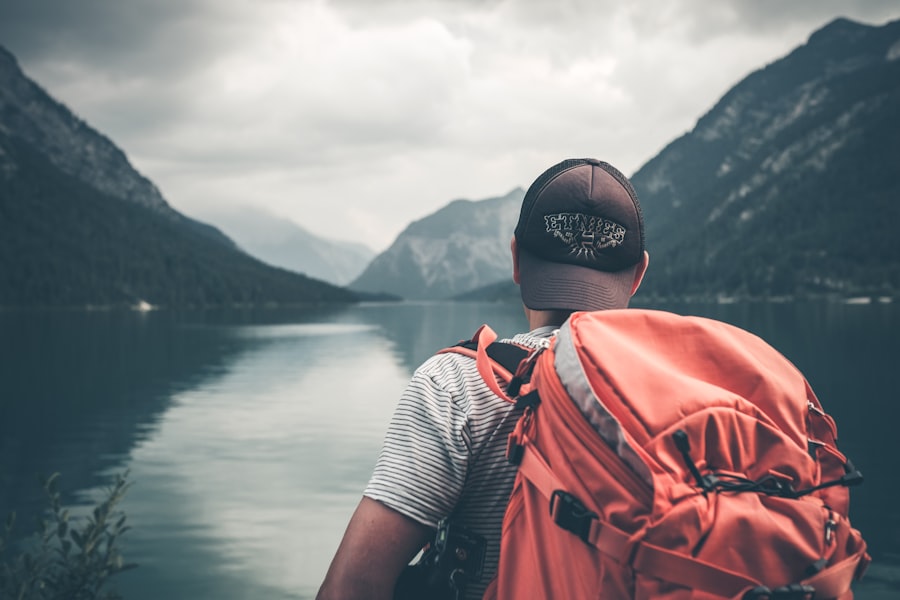
The world offers an almost infinite palette of experiences, each destination a unique brushstroke on the canvas of global culture and nature. Identifying destinations that resonate with your interests is the first step towards a fulfilling journey.
Urban Exploration: Cities of Culture and Commerce
Cities are vibrant hubs of human activity, offering a concentrated dose of history, art, culinary delights, and diverse lifestyles. They are living museums, constantly evolving and inviting discovery.
Experiencing Historical Centers
Wander through ancient city centers, exploring architectural marvels and sites of historical significance. Many cities have walking tours that offer insights into their past.
Engaging with Arts and Culture
Visit renowned museums, art galleries, and theaters. Attend local music performances or cultural festivals to immerse yourself in the city’s creative pulse.
Culinary Adventures
Explore local markets and sample regional specialties. Many cities offer food tours that can guide you through their gastronomic landscape.
Natural Wonders: Landscapes of Awe and Tranquility
For those seeking solace and spectacle, the natural world provides an unparalleled source of wonder, from towering mountains to serene coastlines. These environments offer a restorative balm for the soul.
National Parks and Wilderness Areas
Explore national parks, which often protect significant ecological and geological features. Hiking, wildlife viewing, and camping are popular activities. Access can sometimes involve permits or guided tours.
Coastal Regions and Islands
Discover picturesque coastlines, pristine beaches, and diverse marine ecosystems. Activities can include swimming, snorkeling, diving, or simply enjoying the seaside ambiance.
Mountainous Terrain
Venture into mountain ranges for breathtaking vistas and challenging treks. Consider hiring local guides for safety and deeper understanding of the terrain.
Adventure Travel: Thrills and Challenges
Adventure travel appeals to those who seek exhilaration and a test of their limits, pushing boundaries in pursuit of memorable experiences. It is the active engagement with the unknown.
Hiking, Trekking, and Mountaineering
From day hikes to multi-day expeditions, these activities offer immersive experiences in natural landscapes. Proper preparation and understanding of the environment are paramount.
Water Sports and Activities
Engage in activities like white-water rafting, kayaking, surfing, or scuba diving. Safety equipment and qualified instructors are essential.
Wildlife Safaris and Ecotourism
Embark on safaris to observe wildlife in their natural habitats. Ecotourism initiatives focus on sustainable travel that conserves the environment and benefits local communities. Responsible operators are key.
Cultural Immersion: Deep Dives into Local Life
Cultural immersion goes beyond observation, seeking to actively participate in and understand the daily rhythms and traditions of a place. It is about becoming a temporary resident, not just a visitor.
Homestays and Local Guesthouses
Opting for homestays or small, locally-owned guesthouses can provide a more authentic glimpse into local life and foster interaction with residents.
Participating in Local Festivals and Events
If your travel dates align, attending local festivals or community events offers a direct avenue to experience cultural celebrations and traditions.
Volunteering and Community Projects
Engaging in volunteer work or community projects can offer a profound way to connect with a place and its people, contributing in a meaningful way. Ensure the projects are reputable and ethical.
Sustainable and Responsible Travel

Practicing responsible travel is not an optional add-on but a fundamental principle for preserving the beauty and integrity of the places we visit for future generations. It transforms the act of travel into an act of stewardship.
Minimizing Environmental Impact
Our footprint on the planet is a significant consideration. Conscious choices can help mitigate negative environmental consequences.
Reducing Waste and Plastic Use
Carry a reusable water bottle and shopping bag. Avoid single-use plastics whenever possible. Dispose of waste properly, and consider participating in local clean-up initiatives.
Conserving Energy and Water
Be mindful of your consumption of resources in accommodations. Turn off lights and air conditioning when not in use, and take shorter showers.
Supporting Eco-Friendly Businesses
Seek out accommodations, tour operators, and restaurants that demonstrate a commitment to environmental sustainability. Look for certifications or stated eco-policies.
Supporting Local Economies and Communities
Ensuring that your travel benefits the people who call a place home is crucial for sustainable tourism.
Purchasing Local Goods and Services
Patronize local shops, restaurants, and artisans. This directly injects revenue into the local economy and supports traditional crafts and livelihoods.
Respecting Cultural Heritage
Be mindful of and respectful towards local traditions, heritage sites, and cultural practices. Avoid purchasing artifacts made from endangered species.
Ethical Wildlife Tourism
When engaging in wildlife tourism, choose operators who prioritize animal welfare and adhere to strict ethical guidelines. Never feed wild animals or disturb their natural behavior.
Ethical Interactions with Locals
Building bridges of understanding and respect is the cornerstone of positive travel interactions.
Fair Wages and Working Conditions
If you hire guides or use services provided by local individuals, ensure they are compensated fairly for their work.
Avoiding Exploitation
Be aware of and actively avoid any situations that could be construed as exploitative, particularly concerning children or vulnerable populations.
Cultural Sensitivity
Continue to educate yourself about local customs and traditions. Ask questions respectfully and listen attentively.
If you’re planning your next adventure, you might find inspiration in a related article that explores the best travel destinations for 2023. This piece highlights unique locations and offers tips on how to make the most of your journey. To read more about these exciting places, check out the article here. Whether you’re seeking relaxation on a beach or an exhilarating mountain trek, there’s something for every type of traveler.
Conclusion
| Destination | Average Flight Duration (hours) | Average Hotel Cost (per night) | Popular Travel Season | Top Activity |
|---|---|---|---|---|
| Paris, France | 7 | 150 | Spring (April – June) | Sightseeing (Eiffel Tower, Museums) |
| Tokyo, Japan | 14 | 120 | Autumn (September – November) | Cultural Tours and Food |
| New York City, USA | 6 | 180 | Fall (September – November) | Broadway Shows and Museums |
| Sydney, Australia | 20 | 130 | Summer (December – February) | Beaches and Outdoor Activities |
| Cape Town, South Africa | 18 | 100 | Spring (September – November) | Wildlife Safaris and Hiking |
Exploring the world is a continuous learning process, an unfolding narrative that enriches the individual while fostering a broader understanding of our interconnected planet. By approaching travel with preparation, awareness, and a commitment to responsible engagement, you can transform each journey into a meaningful chapter of personal growth and global appreciation. The world is a vast library; the act of travel is the turning of each unique page.