Guides
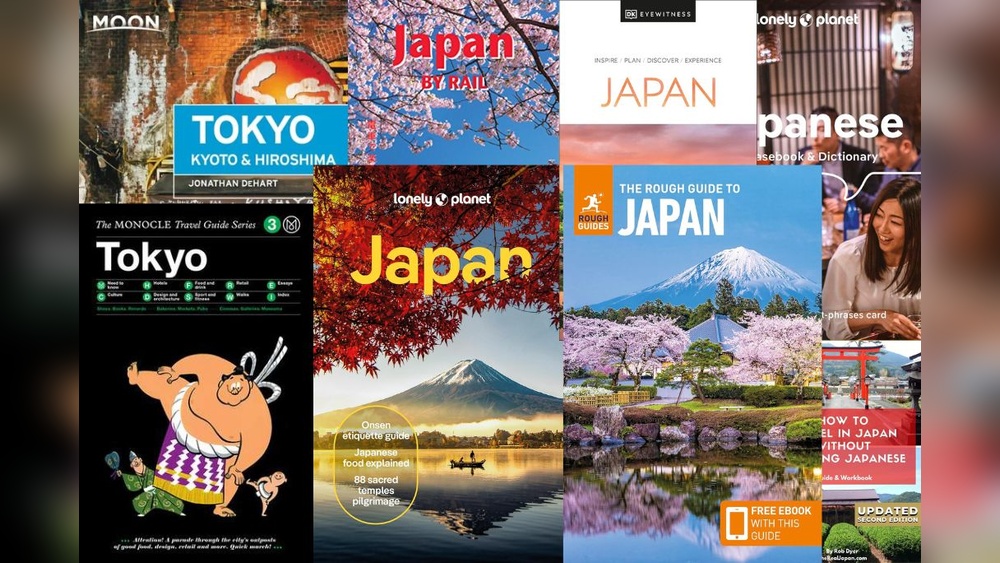
Best Travel Guide for Japan: Ultimate Tips for an Unforgettable Trip

Planning a trip to Japan? You’re about to discover a country full of vibrant culture, stunning landscapes, and unforgettable experiences.
But with so much to see and do, it’s easy to feel overwhelmed. That’s why this guide is made just for you. From must-visit cities to hidden gems, practical tips to local secrets, you’ll find everything you need to make your Japan adventure smooth and exciting.
Ready to unlock the best of Japan? Let’s dive in and make your trip truly unforgettable.
Planning Your Trip
Planning your trip to Japan takes some thought. It helps to know the best time to visit, visa needs, and how to budget. This makes your travel smooth and fun. Start early to avoid last-minute stress. Japan offers many experiences, so prepare well to enjoy them all.
Best Time To Visit
Japan has four distinct seasons. Spring and autumn are the most popular. Cherry blossoms bloom in spring, creating beautiful scenes. Autumn shows colorful leaves across the country. Summers can be hot and humid. Winters bring snow, especially in northern areas. Choose the season that fits your interests and weather preference.
Visa And Entry Requirements
Many countries have visa-free access to Japan for short stays. Check your country’s rules before booking. Visitors usually need a valid passport and proof of return ticket. Some travelers might need a visa, depending on their nationality. Follow the official government website for the latest information. Prepare documents early to avoid delays.
Budgeting Tips
Japan can be expensive, but planning helps save money. Use public transport like trains and buses. Buy a Japan Rail Pass if traveling between cities. Stay in budget hotels or guesthouses. Eat at local restaurants or convenience stores. Set daily spending limits for food and activities. Track expenses to avoid surprises during your trip.

Top Destinations
Japan offers many amazing places to visit. Each destination has its own charm. From bustling cities to quiet temples, there is something for every traveler. Explore famous spots and discover hidden treasures.
Tokyo Highlights
Tokyo is a city full of energy and life. Visit the bright streets of Shibuya and Shinjuku. See the historic Senso-ji Temple in Asakusa. Enjoy shopping and dining in Ginza. Don’t miss the view from Tokyo Tower or the new Tokyo Skytree.
Kyoto’s Cultural Gems
Kyoto is the heart of Japan’s culture. Walk through beautiful bamboo forests in Arashiyama. Explore ancient temples like Kinkaku-ji and Fushimi Inari Shrine. Experience traditional tea ceremonies and stunning gardens. Kyoto shows Japan’s rich history and art.
Osaka’s Food Scene
Osaka is famous for tasty street food. Try takoyaki, okonomiyaki, and fresh sushi. Visit lively areas like Dotonbori and Namba. The city is known as Japan’s kitchen. Food lovers will enjoy every bite in Osaka.
Hidden Gems Beyond Major Cities
Japan has many lesser-known places to explore. Visit the peaceful village of Shirakawa-go with its unique houses. Relax in the hot springs of Beppu. Discover the art islands of Naoshima. These spots offer quiet beauty away from the crowds.
Transportation Tips
Traveling in Japan is smooth and efficient with many transportation options. Knowing how to use these options saves time and money. This guide helps you understand the best ways to get around in Japan.
Navigating The Train System
Japan’s train network is fast and reliable. Trains connect cities and towns across the country. The Shinkansen, or bullet train, is a popular choice for long distances. Local trains serve smaller areas and suburbs. Buying a Japan Rail Pass can reduce travel costs for tourists. Trains run on time, so punctuality matters. Use station maps and signs to find platforms easily. Most signs have English, making navigation simple.
Using Buses And Taxis
Buses cover areas not reached by trains. City buses are cheap and frequent. Bus stops show routes and schedules clearly. Taxis are available but cost more than buses. They are useful late at night or with heavy luggage. Taxi drivers may not speak much English. Showing your destination address written in Japanese helps. Always carry small change, as many taxis do not accept cards.
Renting A Car
Renting a car offers freedom to explore rural Japan. Roads are well-maintained and signs include English. An International Driving Permit is required. Drive on the left side of the road. Parking can be expensive and hard to find in cities. Plan routes in advance using GPS or maps. Avoid driving in large cities during rush hour for less stress. Renting a car suits those who want to visit remote places.
Accommodation Options
Finding the right place to stay in Japan shapes your travel experience. Choices range from ancient traditions to modern comfort. Each option offers a unique way to enjoy Japanese culture and hospitality. This guide explores popular accommodation types for every budget and taste.
Traditional Ryokan Experience
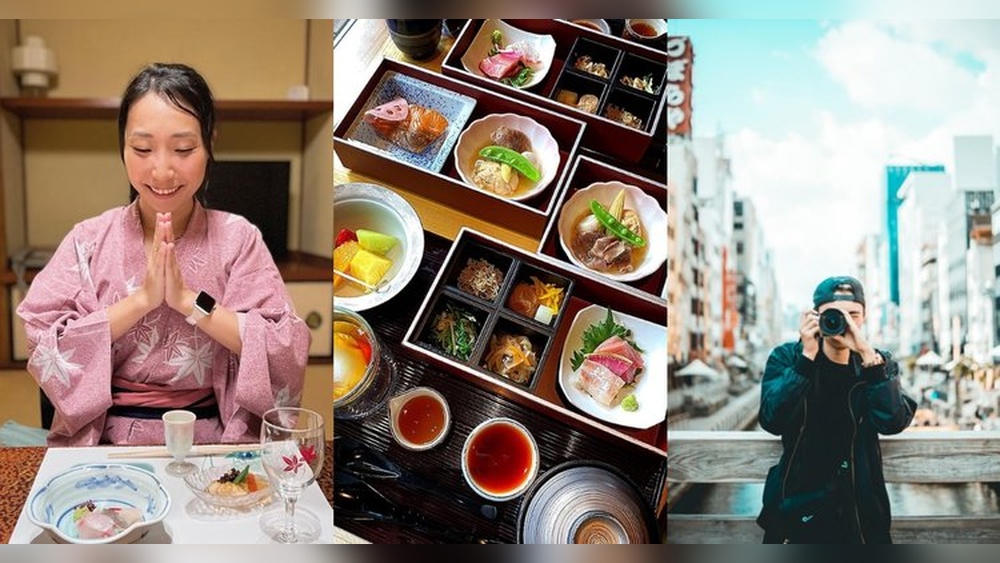
Ryokans are traditional Japanese inns with tatami floors and sliding doors. Guests wear yukata robes and sleep on futons. Many ryokans offer communal hot spring baths called onsen. Meals often include local dishes served in your room. Staying here connects you deeply with Japanese customs and calm.
Modern Hotels
Modern hotels in Japan provide comfort and convenience. They feature clean, well-equipped rooms with Wi-Fi and air conditioning. Locations near train stations and city centers make travel easy. Some hotels offer Western-style beds and bathrooms. Ideal for travelers who want simple, hassle-free stays.
Budget Hostels And Guesthouses
Hostels and guesthouses are perfect for budget travelers. They offer shared rooms and social spaces to meet others. Many have kitchens and laundry facilities for long stays. Prices are low, and the atmosphere is friendly and casual. Great spots for solo travelers or groups seeking savings.
Must-try Foods
Japan offers a rich food culture that delights every visitor. Trying local dishes is a key part of the travel experience. Each region has unique flavors and ingredients. Street vendors, restaurants, and markets serve fresh and tasty meals. Explore traditional and modern foods that define Japanese cuisine.
Street Food Favorites
Street food in Japan is popular and diverse. Takoyaki are fried octopus balls with sauce and mayo. Yakitori are grilled chicken skewers, salty and smoky. Taiyaki is a fish-shaped cake filled with sweet red bean paste. These snacks are easy to find at festivals and markets. They offer quick, delicious bites on the go.
Regional Specialties
Each area in Japan has special dishes. In Osaka, okonomiyaki is a savory pancake with many toppings. Sapporo in Hokkaido is famous for its rich miso ramen. Kyoto offers kaiseki, a refined multi-course meal with seasonal ingredients. Hiroshima-style okonomiyaki layers ingredients differently than Osaka’s. Taste local specialties to enjoy authentic flavors.
Dining Etiquette
Respecting dining rules is important in Japan. Always say “Itadakimasu” before eating. Use chopsticks properly and avoid pointing them at others. Do not stick chopsticks upright in rice; it resembles a funeral ritual. Slurping noodles is polite and shows enjoyment. Finish all food on your plate to show appreciation.

Cultural Tips
Visiting Japan offers a chance to explore a rich culture full of traditions and unique customs. Understanding cultural tips helps travelers enjoy their stay and show respect to locals. Small gestures can create big impressions and open doors to meaningful experiences.
Respectful Behavior
Politeness is very important in Japan. Bowing is a common greeting and shows respect. Avoid loud talking or showing anger in public places. Remove shoes before entering homes and some temples. Always wait in line patiently. These simple acts show good manners and respect for Japanese culture.
Language Basics
Learning a few Japanese words helps connect with locals. Say “arigatou” to thank someone. Use “sumimasen” to get attention or apologize. Speak slowly and clearly. Most Japanese appreciate the effort even if you only know a little. Simple phrases make communication easier and friendlier.
Festivals And Events
Japan hosts many colorful festivals year-round. Each event celebrates history, nature, or local traditions. Wearing traditional clothes like yukata is common during summer festivals. Join crowds to watch parades, fireworks, and performances. Festivals are lively ways to experience Japan’s culture up close.
Packing Essentials
Packing for Japan needs smart choices. The right items make your trip smooth and fun. Japan’s weather and culture affect what you should bring. Prepare well to enjoy every moment.
Weather-appropriate Clothing
Japan’s climate changes by season. Summers are hot and humid. Pack light clothes, like cotton shirts and shorts. Winters can be cold, especially in the north. Bring a warm coat, gloves, and a hat. Spring and autumn are mild but can be rainy. A light jacket and umbrella work well. Shoes should be comfortable for walking. Many places require removing shoes, so slip-ons are handy.
Tech And Gadgets
Japan uses type A and B plugs. Carry a travel adapter for your devices. A portable charger keeps your phone ready all day. Download offline maps and translation apps before travel. A camera or smartphone captures beautiful moments. Noise-canceling headphones help on busy trains. Bring a power bank for long journeys.
Important Documents
Carry your passport at all times. A printed copy helps if you lose the original. Keep your travel insurance details handy. Japan asks for address info at hotels. Have reservation confirmations ready. A small notebook with emergency contacts is useful. Keep your documents organized in a secure pouch.
Safety And Health
Traveling to Japan is exciting and safe. Knowing about safety and health helps you enjoy your trip fully. Japan has a low crime rate and good medical services. Yet, being prepared is wise for any traveler.
Emergency Contacts
Keep important phone numbers saved on your phone. Dial 110 for police in any emergency. For fire or ambulance, call 119. These numbers work everywhere in Japan. Knowing them can save time and stress.
Health Precautions
Japan is very clean, but take basic health steps. Wash your hands often to avoid sickness. Drink bottled water if unsure about tap water. Carry any needed medicines in original packaging. Check if vaccinations are needed before your trip.
Travel Insurance
Travel insurance protects against unexpected health costs. It covers hospital visits, accidents, and lost belongings. Choose a plan that fits your travel needs. Having insurance gives peace of mind while exploring Japan.

Frequently Asked Questions
What Is The Best Time To Visit Japan?
The best time to visit Japan is during spring (March-May) and autumn (September-November). These seasons offer mild weather and beautiful scenery with cherry blossoms or colorful foliage.
How Can I Travel Efficiently Within Japan?
Using Japan Rail Pass is the most cost-effective and convenient way to travel between cities. It offers unlimited rides on JR trains, including Shinkansen bullet trains.
What Are Must-try Japanese Foods For Travelers?
Try sushi, ramen, tempura, takoyaki, and okonomiyaki. These dishes represent Japan’s diverse flavors and are widely available across the country.
Is It Necessary To Learn Japanese Before Traveling?
Basic Japanese phrases help with communication, but many signs are in English. Major cities have English-speaking staff, so it’s not mandatory but helpful.
Conclusion
Japan offers a unique blend of culture, nature, and modern life. Explore ancient temples, bustling cities, and beautiful landscapes. Taste delicious food that tells a story of tradition. Plan your trip well to enjoy every moment fully. This guide helps you discover Japan’s best sights and experiences.
Travel smart, stay curious, and embrace new adventures. Japan awaits with memories that last forever. Ready to start your journey?