Guides
Japan Food Travel Guide: Ultimate Tastes & Hidden Gems Revealed

If you’re planning a trip to Japan, one thing you can’t miss is the incredible food. Imagine tasting fresh sushi, warm ramen, and sweet mochi—all in one place.
This guide is made just for you, to help you discover the best dishes, hidden gems, and food spots that locals love. Whether you’re a foodie or just curious about Japanese flavors, you’ll find everything you need to enjoy every bite of your trip.
Ready to unlock the delicious secrets of Japan? Keep reading, and your taste buds will thank you.
Top Japanese Dishes To Try
Japan offers a variety of delicious dishes that excite every food lover. Each dish carries its own history and unique taste. Trying these foods brings a deeper understanding of Japan’s rich culture. Here are some top Japanese dishes to enjoy during your travel.
Sushi And Sashimi Delights
Sushi is Japan’s famous dish made with vinegared rice and fresh fish. Sashimi is thinly sliced raw fish served without rice. Both highlight the freshness of seafood. Popular options include tuna, salmon, and eel. Sushi comes in many styles like nigiri, maki, and temaki. Sashimi offers a pure taste of the ocean.
Ramen Varieties Across Regions
Ramen is a noodle soup loved nationwide. Each region has its own special broth and toppings. Sapporo’s miso ramen is rich and hearty. Hakata ramen features a creamy pork bone broth. Tokyo ramen uses soy sauce for a light flavor. Ramen shops serve diverse styles to match local tastes.
Tempura And Fried Specialties
Tempura means lightly battered and deep-fried seafood or vegetables. The batter is thin and crispy. Shrimp tempura is a popular choice. Fried dishes also include karaage, Japanese fried chicken. These foods offer a crunchy texture with juicy inside. Tempura pairs well with dipping sauces or salt.
Traditional Kaiseki Experience
Kaiseki is a multi-course meal showcasing seasonal ingredients. Each dish is carefully prepared and beautifully presented. It balances taste, texture, and color. Kaiseki meals often start with soup and sashimi. Followed by grilled, steamed, and simmered dishes. This dining style reflects Japan’s respect for nature and art.
Street Food Favorites
Japanese street food is tasty and easy to find. Takoyaki are fried octopus balls with sauce and mayo. Yakitori means grilled chicken skewers seasoned simply. Okonomiyaki is a savory pancake with many mix-ins. Street stalls offer quick, affordable bites full of flavor. Perfect for exploring Japan on the go.
Exploring Regional Flavors
Japan offers a rich variety of foods from different regions. Each area has unique dishes shaped by local ingredients and traditions. Exploring these flavors gives a deeper taste of Japan’s culture and history. Travelers enjoy discovering fresh seafood, hearty street food, refined meals, and unusual tastes across the country.
Hokkaido’s Seafood Treasures
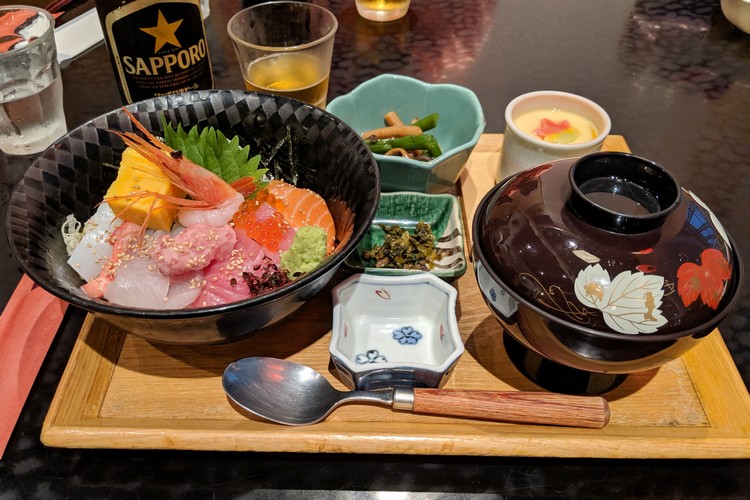
Hokkaido is famous for its fresh seafood. The cold waters provide crab, sea urchin, and salmon. Sushi and sashimi here are some of the best in Japan. Visitors can enjoy seafood markets and local dishes like kaisen-don. The flavors are pure and rich, a true delight for seafood lovers.
Osaka’s Comfort Food Culture
Osaka is known as Japan’s kitchen. Street food and casual dining thrive here. Takoyaki and okonomiyaki are popular local snacks. These dishes are warm, filling, and full of flavor. The city’s food culture is lively and welcoming for all visitors.
Kyoto’s Elegant Cuisine
Kyoto offers refined and delicate food. Kaiseki meals showcase seasonal ingredients with artful presentation. Traditional sweets and matcha tea are also special. The cuisine reflects the city’s history as an ancient capital. Dining here feels like a quiet, beautiful experience.
Okinawa’s Unique Tastes
Okinawa has flavors unlike mainland Japan. The local diet includes pork, tropical vegetables, and seaweed. Dishes like goya champuru are healthy and tasty. Okinawan food is linked to the island’s long life span. It offers a fresh perspective on Japanese cuisine.
Fukuoka’s Hakata Ramen
Fukuoka is famous for Hakata ramen. This ramen uses thin noodles and rich pork broth. It is simple but deeply satisfying. Street stalls called yatai serve this dish late into the night. Hakata ramen is a must-try for any food traveler.
Hidden Food Spots Off The Beaten Path
Japan offers more than just famous tourist food spots. Hidden food places give a true taste of local life. These spots serve authentic dishes loved by residents. They often stay quiet and small but pack big flavors. Exploring them brings unique food stories and fresh experiences.
Local Izakayas With Authentic Vibes
Small izakayas serve grilled skewers and fresh sashimi. They have a warm, friendly atmosphere. Locals gather here after work to relax and chat. Menus change daily based on fresh catch and seasonal produce. These izakayas offer a genuine taste of Japanese dining culture.
Secret Soba Shops
Soba noodles are a classic Japanese dish. Many hidden shops make soba by hand. These places focus on texture and flavor. They often use buckwheat grown nearby. Eating soba at these shops feels like a quiet, special ritual.
Family-run Sweet Shops
Old family sweet shops sell traditional Japanese treats. Mochi, dorayaki, and yokan are common offerings. Recipes pass down through generations. The sweets taste fresh and made with care. These shops often have a cozy, nostalgic charm.
Underground Market Finds
Underground markets hide behind busy streets and stations. Vendors sell fresh seafood, pickles, and street food. These markets buzz with energy and local chatter. Sampling food here shows daily Japanese life and flavors not found in guidebooks.
Hidden Cafes And Dessert Bars
Small cafes serve matcha desserts and unique drinks. Some are tucked away in quiet neighborhoods or narrow alleys. They create peaceful spots to enjoy sweets and tea. The menus often feature seasonal and creative treats. These cafes offer a calm break from busy city life.

Food Markets And Festivals
Japan’s food markets and festivals offer a rich taste of local culture and flavors. These lively places bring together fresh ingredients, traditional snacks, and unique dishes. Visitors can enjoy a variety of foods while experiencing the vibrant atmosphere. Exploring these markets and events gives a real sense of Japan’s culinary heritage.
Best Morning Markets
Morning markets in Japan are full of fresh seafood, vegetables, and fruits. These markets open early, often before sunrise. The freshest catches and harvests arrive daily. Popular morning markets include the Nijo Market in Sapporo and the Omicho Market in Kanazawa. Sampling local delicacies here offers a true start to the day.
Seasonal Food Festivals
Seasonal food festivals celebrate Japan’s diverse ingredients and traditions. These events highlight foods linked to the time of year. Cherry blossom festivals in spring feature sweet treats and tea. Autumn festivals showcase mushrooms, chestnuts, and fresh rice. Each season brings a unique menu and joyful gatherings.
Night Markets To Explore
Night markets offer a different vibe and a wide range of street foods. Stalls sell grilled seafood, skewers, and sweet snacks. These markets are perfect for late-night bites and socializing. The Yokohama Chinatown Night Market and the Kyoto Gion Festival food stalls attract many visitors. Lights and lively chatter create a festive mood.
Specialty Food Fairs
Specialty food fairs focus on specific regional dishes or ingredients. Events may highlight seafood, sweets, or sake. These fairs give visitors a chance to taste rare and authentic flavors. The Hokkaido Seafood Fair and the Osaka Takoyaki Festival are popular examples. Sampling at these fairs reveals Japan’s culinary creativity.
Farmers Markets And Fresh Produce
Farmers markets offer fresh, local fruits and vegetables directly from growers. These markets support small farmers and promote organic produce. Visitors can find seasonal crops and homemade products like jams and pickles. The Setagaya Farmers Market in Tokyo is well-known. These markets provide a wholesome and healthy food experience.
Dining Etiquette And Tips
Dining in Japan offers a unique experience shaped by rich traditions. Understanding local dining etiquette helps visitors enjoy meals respectfully. This guide covers key tips to dine comfortably and confidently.
How To Order Like A Local
Look for menus with pictures or plastic food models outside. Pointing to items is common and accepted. Many restaurants have number systems on menus; use these to order. Saying “Sumimasen” politely calls the waiter’s attention. Try simple phrases like “Kore o kudasai” (This, please) to order food.
Respectful Table Manners
Wait for everyone to be served before eating. Say “Itadakimasu” before starting your meal. Use chopsticks properly; avoid sticking them upright in rice. Do not pass food directly from chopsticks to chopsticks. Finish all your food to show appreciation. Say “Gochisousama deshita” after eating to thank the host.
Tipping Customs In Japan
Tipping is not a common practice in Japan. Staff usually refuse tips politely. Good service is part of the job and included in prices. Leave a small gift or thank you note instead. Focus on showing respect and gratitude verbally.
Navigating Language Barriers
Many restaurants have English menus or pictures. Use translation apps to help with communication. Point to the menu or show written phrases. Smile and use gestures to express thanks or questions. Staff appreciate polite and patient behavior.
Cash Vs. Card Payments
Cash is the preferred payment method in Japan. Many small restaurants do not accept credit cards. ATMs are available in convenience stores for withdrawals. Always carry enough cash for meals. Larger restaurants and chains accept cards but check first.

Unique Food Experiences
Japan offers food experiences unlike any other place. These unique moments let travelers taste culture and tradition directly. From hands-on cooking to quiet tea ceremonies, every activity tells a story. Each experience gives a deeper understanding of Japan’s rich food heritage.
Cooking Classes And Workshops
Join a cooking class to learn Japan’s famous dishes. Make sushi, ramen, or tempura with local chefs. Classes suit all skill levels, even beginners. Use fresh ingredients and traditional tools. Enjoy the dish you create at the end. A fun way to connect with Japanese culture.
Tea Ceremony And Wagashi
Experience a traditional tea ceremony in a calm setting. Watch the careful preparation of matcha tea. Taste wagashi, sweet treats made to match the tea’s flavor. Each step follows centuries-old rituals. It’s a peaceful moment to enjoy history and taste.
Ryokan Meals And Hospitality
Stay in a ryokan, a traditional Japanese inn. Meals here are seasonal and beautifully presented. Try kaiseki, a multi-course dinner with fresh, local ingredients. Hosts show deep respect and care. This experience blends food with warm hospitality.
Vending Machine Food Surprises
Discover Japan’s unique vending machines. Find hot meals, snacks, and drinks anytime. Some offer fresh eggs, ice cream, or even noodles. A quick and curious way to try local flavors. Perfect for travelers on the move.
Themed Restaurants And Cafes
Visit themed restaurants for fun and unusual dining. Choose from robot cafes, ninja hideouts, or animal cafes. Food and decor work together to create a story. These places provide a meal and an experience. A playful side of Japan’s food scene.
Frequently Asked Questions
What Are Must-try Traditional Japanese Foods?
Must-try traditional Japanese foods include sushi, ramen, tempura, and sashimi. Each offers unique flavors reflecting Japan’s rich culinary heritage. Sampling street food like takoyaki and regional specialties enhances your food travel experience.
Where To Find Authentic Sushi In Japan?
Authentic sushi is best found at local sushi bars and fish markets like Tokyo’s Tsukiji. Look for places with fresh ingredients and skilled chefs for a genuine taste. Avoid tourist traps for the best quality and experience.
How To Eat Ramen Like A Local In Japan?
Eat ramen by slurping noodles to cool them and enhance flavor. Use chopsticks to lift noodles and a spoon for broth. Finish all broth to show appreciation. Each region offers distinct ramen styles to explore.
What Is The Best Season For Food Travel In Japan?
Spring and autumn are best for food travel due to fresh seasonal ingredients. Cherry blossom season offers unique sweets, while autumn provides rich harvest flavors. Seasonal foods highlight Japan’s culinary diversity and cultural traditions.
Conclusion
Japan’s food scene offers flavors for every traveler’s taste. Street food, sushi, ramen—each bite tells a story. Explore local markets and cozy restaurants to enjoy fresh dishes. Don’t miss seasonal specialties that change throughout the year. Japan’s rich food culture makes every meal an adventure.
Taste, smell, and enjoy the unique dishes found only here. This guide helps you discover the best food spots easily. Start your delicious journey and savor every moment in Japan.