Guides
Korea Travel Guide: Ultimate Tips for an Unforgettable Journey

Are you ready to discover a place where ancient traditions meet cutting-edge technology? Korea offers you a unique blend of vibrant cities, stunning landscapes, and rich culture that will leave you amazed.
Whether you crave delicious street food, peaceful temples, or exciting nightlife, this guide will help you unlock the best Korea has to offer. Keep reading, and you’ll find insider tips that make your trip smoother, more fun, and truly unforgettable.
Your adventure in Korea starts here.
Top Destinations In Korea
Korea offers diverse places to explore. Each destination has its own charm and history. From bustling cities to peaceful islands, there is something for everyone. Discover famous spots that show Korea’s rich culture and beauty.
Seoul Highlights
Seoul is Korea’s vibrant capital city. It blends modern life with ancient traditions. Visit Gyeongbokgung Palace to see royal history. Walk along the Han River for great views. Try street food in Myeongdong Market. Don’t miss the N Seoul Tower for city lights at night.
Historic Gyeongju
Gyeongju is called the “museum without walls.” It holds many ancient temples and tombs. Bulguksa Temple is a UNESCO World Heritage site. Explore the royal tombs in Tumuli Park. The city shows Korea’s past from the Silla Kingdom. Ideal for history lovers and quiet walks.
Jeju Island Attractions
Jeju Island is famous for nature and fresh air. Hallasan Mountain is the highest peak in Korea. Visit the lava tubes and waterfalls for unique sights. The beaches here are calm and beautiful. Jeju’s local markets offer fresh seafood and crafts. Perfect for outdoor lovers and relaxation.
Busan Beaches And Markets
Busan is a coastal city with lively beaches. Haeundae Beach is popular for sunbathing and festivals. Jagalchi Market is Korea’s largest seafood market. Explore the colorful Gamcheon Culture Village with street art. Busan mixes city life with ocean views. Great for food lovers and beach fans.
Best Time To Visit
Choosing the best time to visit Korea depends on what you want to experience. Each season offers unique sights and activities. Weather and festivals change through the year. Plan your trip to match your interests. Here are some highlights for each season.
Spring Blossoms
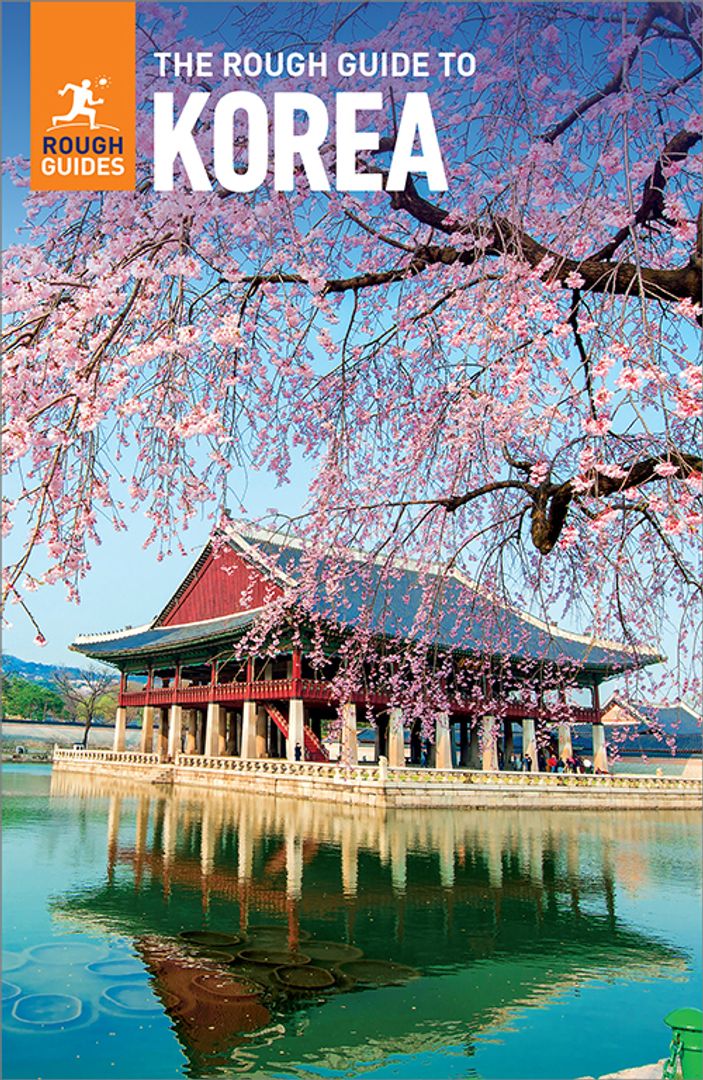
Spring in Korea brings beautiful cherry blossoms. Trees bloom in soft pink and white colors. The air feels fresh and cool. Many parks and streets fill with flowers. It’s a perfect time for outdoor walks and photos. Spring lasts from April to early May.
Autumn Colors
Autumn shows Korea’s nature in bright reds and golds. Leaves change color, covering mountains and parks. The weather is cool and dry. It’s ideal for hiking and sightseeing. Autumn runs from late September to November.
Winter Activities
Winter in Korea offers snow and cold air. Ski resorts open for skiing and snowboarding. Ice skating and hot springs are popular too. Winter lasts from December to February. Dress warmly and enjoy snowy fun.
Summer Festivals
Summer is warm and humid in Korea. Many festivals happen during this time. Music, food, and cultural events fill the cities. Beaches and rivers attract visitors to cool off. Summer goes from June to August.
Cultural Etiquette
Korea has a rich culture with many unique customs. Understanding cultural etiquette helps visitors show respect. It also makes travel more enjoyable. Small actions can make a big difference in how locals respond. Knowing the basic rules can create positive experiences.
People in Korea value respect and politeness. These qualities appear in daily life and special occasions. Learning about greetings, dining, temple visits, and gift giving offers useful insights. These customs reflect Korea’s deep traditions and social harmony.
Greetings And Respect
Bowing is a common way to greet people in Korea. The deeper the bow, the more respect it shows. A simple nod or slight bow works for casual meetings. Handshakes are common but often gentle and with both hands. Always address elders and seniors with polite titles. Showing respect to older people is very important.
Dining Manners
Wait for the oldest person to start eating first. Do not begin until they pick up their chopsticks. Avoid sticking chopsticks upright in rice; it looks like a funeral ritual. Use both hands when passing dishes to others. Leaving a little food on your plate shows you are full. Talking loudly or blowing your nose at the table is rude.
Temple Visits
Dress modestly and remove shoes before entering temple buildings. Speak quietly and avoid loud noises. Photography may be restricted, so watch for signs. Do not touch sacred objects or statues. Follow any instructions given by monks or guides. Showing respect in temples is essential for a good visit.
Gift Giving Customs
Gifts are common in Korean culture to show thanks or respect. Present gifts with both hands to show sincerity. Avoid giving gifts in sets of four; the number four is unlucky. Wrapping gifts nicely is important and appreciated. Do not open gifts in front of the giver. Thoughtful gifts strengthen relationships and goodwill.

Transportation Tips
Traveling in Korea is simple thanks to its great transportation options. Knowing how to get around saves time and stress. This guide covers key ways to move around cities and between regions. Use these tips to travel smart and enjoy your trip fully.
Navigating Public Transit
Korea’s public transit is clean, fast, and easy to use. Subways and buses connect most places in cities. Buy a T-money card at stations or convenience stores. It works on buses, subways, and even taxis. Maps are clear, with English signs at major stops. Avoid rush hour for a more comfortable ride.
Using Taxis And Ride-sharing
Taxis are common and affordable in Korea. Most drivers use meters, so no need to haggle. Use apps like Kakao T to book rides easily. The app supports English and helps avoid language barriers. Share your destination address in Korean with the driver. Taxis are great late at night when public transit stops.
Ktx High-speed Trains
KTX trains connect major cities fast and comfortably. Booking tickets online saves time at stations. Trains run frequently and are punctual. This is the best way to travel between Seoul, Busan, and other big cities. Enjoy scenic views while relaxing in clean, quiet cars. Early booking is smart for holidays and weekends.
Biking And Walking
Many Korean cities are bike-friendly and safe for walkers. Renting a bike is easy through apps and rental stations. Paths along rivers and parks offer pleasant rides. Walking helps explore neighborhoods closely and find hidden spots. Wear comfortable shoes and follow pedestrian signals carefully. This is a great way to enjoy local culture up close.
Accommodation Choices
Choosing where to stay in Korea shapes your whole travel experience. Accommodation options suit every taste and budget. Each type offers a unique way to enjoy Korean culture and comfort. From historic homes to modern hotels, you will find your perfect place.
Traditional Hanok Stays
Hanok houses show Korea’s old charm and beauty. These wooden homes have paper windows and warm floors. Sleeping on a floor mattress feels cozy and new. Hanok villages often sit near city centers or mountains. Staying here means quiet mornings and cultural richness.
Budget Hostels
Hostels are great for travelers who want to save money. They offer clean rooms and shared spaces. Meeting other tourists is easy in hostels. Many provide free Wi-Fi and common kitchens. Hostels often lie near public transport and attractions.
Luxury Hotels
Luxury hotels offer comfort and style for special trips. Big rooms, fine dining, and spas await guests. Many hotels have views of city skylines or rivers. Service is quick and friendly, ensuring a smooth stay. These hotels often include gyms and pools.
Unique Guesthouses
Guesthouses give a local feel with friendly hosts. Some are in old buildings or trendy neighborhoods. Each guesthouse has its own style and stories. You can try homemade meals or join cultural events. Staying in a guesthouse feels like visiting a friend.
Must-try Korean Foods
Korean food offers a rich taste adventure for every traveler. The flavors are bold, fresh, and sometimes spicy. Each dish tells a story about Korea’s culture and history. Exploring Korean cuisine is a must on your trip. Here are some foods you should try during your visit.
Street Food Favorites
Street food is quick, tasty, and cheap. Try tteokbokki, spicy rice cakes with a sweet sauce. Hotteok, sweet pancakes filled with nuts and sugar, is a popular snack. Fish cakes, called eomuk, are served on sticks with warm broth. These treats keep you energized as you explore city streets.
Classic Korean Dishes
Bibimbap is a colorful mix of rice, vegetables, and meat. Kimchi, fermented spicy cabbage, is a side dish with almost every meal. Bulgogi, marinated grilled beef, offers sweet and savory flavors. Samgyeopsal, grilled pork belly, is perfect for group dinners. These dishes show the heart of Korean cooking.
Vegetarian Options
Vegetarian travelers find many tasty choices in Korea. Japchae, stir-fried glass noodles with vegetables, is light and flavorful. Doenjang jjigae is a soybean paste stew with tofu and veggies. Pajeon, a green onion pancake, is crispy and satisfying. These dishes are healthy and full of flavor.
Local Drinks And Desserts
Soju is Korea’s famous alcoholic drink, smooth and slightly sweet. Makgeolli, a milky rice wine, has a tangy taste. For dessert, try bingsu, shaved ice with sweet toppings like red beans. Hotteok is also a popular sweet street snack. These treats complete the Korean food experience.
Shopping Hotspots
Korea offers a shopping experience like no other. From busy markets to huge malls, every visitor finds something special. Shopping here is fun and full of surprises. Explore unique items, beauty products, and traditional crafts. This guide covers the best shopping spots for your trip.
Markets And Malls
Seoul’s markets are lively and colorful. Namdaemun and Dongdaemun markets have clothes, food, and more. These places buzz with energy and good deals. For a modern twist, visit Myeongdong or COEX Mall. These malls offer global brands and local shops. Both markets and malls provide a complete shopping day.
K-beauty Products
Korea is famous for its skincare and makeup. Shops sell high-quality K-beauty products at low prices. Popular items include sheet masks, serums, and lip tints. Myeongdong has many beauty stores all in one place. Try new products and find your favorite brand here.
Traditional Crafts
Traditional Korean crafts tell a story. Look for handmade pottery, hanji paper, and wooden masks. Insadong is the best place to find these crafts. Each piece shows Korean culture and skill. These unique items make great gifts and home decor.
Souvenirs To Bring Home
Pick souvenirs that remind you of Korea’s charm. Popular choices are Korean snacks, teas, and keychains. Fans of K-pop love albums and posters. Don’t forget traditional items like hanbok accessories or chopsticks. These keepsakes capture your travel memories well.

Safety And Health
Traveling to Korea offers amazing experiences. Staying safe and healthy is very important. Knowing what to do before and during your trip helps you avoid problems. This section covers key tips on safety and health for your Korea visit.
Travel Insurance Tips
Buy travel insurance before your trip. It covers medical costs and emergencies. Check if your plan includes COVID-19 treatment. Keep a copy of your insurance card with you. This helps speed up care if needed.
Emergency Contacts
Save important phone numbers in your phone. Dial 112 for police and 119 for fire or ambulance. Know the location of the nearest embassy. This helps in case of lost documents or legal help.
Health Precautions
Drink bottled or boiled water. Avoid street food that looks unhygienic. Wash your hands often with soap. Carry hand sanitizer for places without water. Wear a mask in crowded areas during flu season.
Local Pharmacy Guide
Pharmacies in Korea are easy to find. Most have English-speaking staff. Carry basic medicines like pain relievers and allergy pills. Ask pharmacists for advice on minor illnesses. Many pharmacies stay open late in cities.
Language And Communication
Traveling in Korea offers a unique experience with its rich culture and friendly people. Understanding the language and ways to communicate can make your trip smoother. Korean is the official language, and not everyone speaks English fluently. Knowing some basics helps you connect and feel more comfortable.
Basic Korean Phrases
Learning simple phrases goes a long way. Greetings like “Annyeonghaseyo” (Hello) show respect. “Kamsahamnida” means thank you. Ask “Eodi?” to say where. Use “Juseyo” to request something. These words help you in shops, restaurants, and streets. Practice pronunciation to sound polite and clear.
Using Translation Apps
Translation apps are handy tools for travelers. Apps like Papago and Google Translate offer Korean-English translations. They can translate text, voice, and even images. Use these apps to read menus or signs. Always double-check the translation for accuracy. Keep your phone charged for easy access.
Cultural Expressions
Nonverbal communication is important in Korea. Bowing shows respect and thanks. Avoid pointing with your finger; use your whole hand instead. Silence can mean politeness or thoughtfulness. Nodding indicates understanding. Learning these cues improves interactions without many words.
Dealing With Language Barriers
Language barriers can happen. Stay patient and smile often. Use gestures to explain your needs. Write down important words or addresses before you go out. Many Koreans appreciate your effort to communicate. Most places have staff who speak basic English. Keep a phrasebook handy for emergencies.
Frequently Asked Questions
What Is The Best Time To Visit Korea?
The best time to visit Korea is during spring (April-June) and autumn (September-November). These seasons offer mild weather, beautiful scenery, and fewer tourists. Spring features cherry blossoms, while autumn showcases colorful foliage. Avoid summer due to heat and monsoon rains, and winter if you dislike cold weather.
How Do I Get Around Korea Easily?
Korea has an efficient public transportation system. Use subways and buses for city travel; they are affordable and punctual. For longer trips, high-speed trains (KTX) connect major cities quickly. Taxis are available but more expensive. Purchase T-money card for convenient payment on public transport.
What Are Must-try Korean Foods For Travelers?
Try popular dishes like bibimbap (mixed rice), kimchi (fermented vegetables), bulgogi (marinated beef), and tteokbokki (spicy rice cakes). Korean BBQ is also a must-experience dining option. These dishes showcase Korea’s rich culinary heritage and offer diverse flavors suitable for all tastes.
Is English Widely Spoken In Korea?
English is moderately spoken in Korea, especially in major cities like Seoul and Busan. Tourist areas often have English signs and menus. However, learning basic Korean phrases can help enhance your experience and communication with locals, particularly in rural areas where English is less common.
Conclusion
Korea offers a mix of old traditions and modern life. Visitors can enjoy tasty food, lively cities, and calm nature. Exploring temples, markets, and palaces brings many memories. The friendly people make travel easy and fun. Plan your trip well to see the best places.
Korea’s charm will stay with you long after. Ready for your Korean adventure? It’s waiting to be discovered.