Destinations
Explore the World: Travel Tips and Destinations

Travel, broadly defined as the movement of people from one place to another for purposes of leisure, business, or personal necessity, offers a multifaceted experience. It can be a journey of discovery, a period of relaxation, or a catalyst for personal growth. This article explores practical advice for effective travel and highlights diverse destinations, aiming to provide a foundational understanding for individuals contemplating or planning their next expedition.
Effective travel planning is akin to building a sturdy ship before embarking on a voyage across the ocean. A well-charted course minimizes the risk of unexpected storms and ensures a smoother passage. This section outlines key considerations for travel preparation.
Defining Your Travel Objectives
Before booking anything, it is crucial to establish the purpose of your travel. Are you seeking an adventure in a remote wilderness, a cultural immersion in a bustling metropolis, or a tranquil retreat on a secluded beach? Your objectives will dictate the destination, duration, budget, and type of activities you will pursue. For instance, a desire for historical exploration might lead you to Rome or Kyoto, while a need for relaxation might point towards the Maldives or the Swiss Alps. Clearly defined objectives serve as your compass, guiding all subsequent decisions and preventing aimless wandering.
Budgeting for Travel
Financial planning is a cornerstone of responsible travel. The cost of travel can fluctuate significantly based on destination, time of year, accommodation choices, and personal spending habits.
- Estimating Expenses: Break down potential costs into categories such as transportation (flights, trains, car rentals), accommodation (hotels, hostels, vacation rentals), food, activities and excursions, visa fees, travel insurance, and miscellaneous expenses (souvenirs, local transport).
- Cost-Saving Strategies: Consider traveling during the shoulder seasons, which often offer lower prices and fewer crowds. Exploring budget-friendly accommodation options, such as hostels or guesthouses, can reduce expenses. Cooking some of your own meals instead of dining out for every occasion can also make a substantial difference. Researching free activities and attractions in your chosen destination is another effective way to manage your budget.
- Contingency Funds: It is prudent to allocate a portion of your budget for unexpected expenses. This contingency fund acts as a safety net, allowing you to handle unforeseen situations without derailing your trip.
Researching Your Destination
Thorough research is the bedrock of any successful trip, providing you with the knowledge to navigate unfamiliar territories with confidence.
- Cultural Nuances and Etiquette: Understanding local customs, traditions, and social norms is essential for respectful engagement. This includes awareness of appropriate dress codes, greetings, dining etiquette, and any sensitive topics to avoid. Familiarizing yourself with basic phrases in the local language can also significantly enhance your interactions.
- Safety and Security: Researching the safety situation in your chosen destination is paramount. This involves understanding potential risks, such as common scams, areas to avoid, and emergency contact numbers. Checking government travel advisories can provide up-to-date information on current security concerns.
- Logistical Information: Acquiring practical details about currency exchange rates, local transportation systems (buses, trains, taxis), power outlet types, and visa requirements allows for a smoother travel experience. Understanding how to access essential services, such as healthcare, can also be crucial.
Documentation and Essentials
The right paperwork and a well-packed bag are the twin pillars of a prepared traveler.
- Essential Documents: Ensure your passport is valid for at least six months beyond your intended stay and that you have obtained any necessary visas well in advance. Copies of important documents, such as your passport, visa, and itinerary, should be kept separately from the originals.
- Travel Insurance: Obtaining comprehensive travel insurance is a non-negotiable step. This policy should cover medical emergencies, trip cancellations, lost luggage, and other potential disruptions. Understand the coverage details thoroughly before purchasing.
- Packing Strategies: Pack light but smart. Consider the climate of your destination and pack versatile clothing that can be layered. Essential items include comfortable walking shoes, any necessary medications, a universal travel adapter, and a portable charger. A small first-aid kit is also advisable.
If you’re interested in enhancing your travel experiences, you might find our article on “Top 10 Hidden Gems to Visit in Europe” particularly insightful. It explores lesser-known destinations that offer unique cultural experiences and breathtaking scenery, perfect for those looking to venture off the beaten path. To read more, visit here.
Exploring Diverse Destinations
The world offers an astonishing array of landscapes and experiences, each with its unique allure. This section highlights a selection of destinations, categorized by their primary appeal, to inspire your next journey.
Historical and Cultural Hubs
These cities are living museums, where the echoes of past civilizations resonate through ancient ruins and vibrant traditions.
Rome, Italy
Rome, the “Eternal City,” is a testament to millennia of history, art, and architecture.
- Key Attractions: The Colosseum, Roman Forum, Pantheon, Vatican City (including St. Peter’s Basilica and the Vatican Museums), Trevi Fountain, and Spanish Steps are iconic landmarks.
- Experiences: Walking through the historic center, exploring the catacombs, indulging in Roman cuisine (pasta carbonara, cacio e pepe), and experiencing the vibrant street life provide a deep connection to the city’s rich heritage.
- Logistics: Rome is well-connected by air and rail. Public transportation within the city includes buses, trams, and a metro system. Accommodation ranges from luxury hotels to budget-friendly guesthouses.
Kyoto, Japan
Kyoto, the former imperial capital of Japan, is renowned for its tranquil gardens, traditional wooden houses, and numerous Buddhist temples and Shinto shrines.
- Key Attractions: Kinkaku-ji (Golden Pavilion), Fushimi Inari-taisha Shrine (with its thousands of red torii gates), Arashiyama Bamboo Grove, Kiyomizu-dera Temple, and Gion district (known for geisha).
- Experiences: Participating in a tea ceremony, strolling through the Nishiki Market, enjoying a traditional ryokan stay, and witnessing a kaiseki dinner offer a profound cultural immersion.
- Logistics: Kyoto is accessible by Shinkansen (bullet train) from major Japanese cities. Within Kyoto, a comprehensive bus system and subways are available.
Machu Picchu, Peru
This ancient Inca citadel, nestled high in the Andes Mountains, is an archaeological marvel and a UNESCO World Heritage site.
- Key Attractions: The iconic ruins themselves, offering breathtaking panoramic views of the surrounding mountains.
- Experiences: Hiking the Inca Trail (a multi-day trek) or taking the train from Cusco to Aguas Calientes are popular routes. Exploring the terraces, temples, and observatories provides a glimpse into Inca civilization.
- Logistics: Access typically involves flying into Cusco, then traveling by train or bus to Aguas Calientes, the gateway town to Machu Picchu. Booking entrance tickets and train tickets in advance is highly recommended.
Natural Wonders and Adventure Destinations
For those who seek the untamed beauty of the planet and the thrill of outdoor pursuits, these destinations offer unparalleled experiences.
The Serengeti National Park, Tanzania
A vast savanna ecosystem, the Serengeti is synonymous with the Great Migration, one of the most spectacular wildlife events on Earth.
- Key Attractions: Witnessing the migration of millions of wildebeest and zebras, spotting the Big Five (lion, leopard, elephant, rhinoceros, buffalo), and experiencing the raw beauty of the African wilderness.
- Experiences: Game drives, hot air balloon safaris, and guided walking safaris offer intimate encounters with wildlife. Staying at a safari lodge or tented camp provides an immersive experience.
- Logistics: Most visitors fly into Kilimanjaro International Airport (JRO) or directly to one of the Serengeti’s airstrips. Internal flights or overland transfers are necessary to reach specific park areas. Permits and park fees are required.
The Canadian Rockies, Canada
A majestic mountain range characterized by soaring peaks, turquoise lakes, and pristine forests.
- Key Attractions: Banff National Park (Lake Louise, Moraine Lake), Jasper National Park (Maligne Lake, Athabasca Glacier), Yoho National Park, and national scenic drives like the Icefields Parkway.
- Experiences: Hiking, mountaineering, kayaking, wildlife viewing, scenic drives, and skiing (in winter) are popular activities.
- Logistics: Major airports include Calgary International Airport (YYC). Car rental is essential for exploring the parks. Accommodation ranges from campgrounds to luxurious hotels.
The Great Barrier Reef, Australia
The world’s largest coral reef system, teeming with an astonishing diversity of marine life.
- Key Attractions: Vibrant coral formations, a myriad of fish species, sea turtles, dolphins, and sharks.
- Experiences: Snorkeling, scuba diving, glass-bottom boat tours, and scenic flights offer various ways to explore the reef. Visiting islands like the Whitsundays provides opportunities for relaxation and further exploration.
- Logistics: Cairns and Proserpine are the primary gateways to the Great Barrier Reef. Boat tours and flights to the islands are readily available. Marine park fees may apply.
Urban Landscapes and Modern Marvels
These cities offer a dynamic blend of cutting-edge architecture, vibrant cultures, and a fast-paced urban lifestyle.
Tokyo, Japan
A sprawling metropolis that seamlessly fuses ultramodern technology with ancient traditions.
- Key Attractions: Shibuya Crossing, Tokyo Skytree, Imperial Palace East Garden, Senso-ji Temple, Tsukiji Outer Market, and diverse neighborhoods like Shinjuku, Harajuku, and Akihabara.
- Experiences: Exploring themed cafes, enjoying world-class cuisine, shopping in distinct districts, visiting museums and art galleries, and experiencing the efficient public transport system.
- Logistics: Narita International Airport (NRT) and Haneda Airport (HND) serve Tokyo. The city boasts an extensive and efficient subway and train network.
New York City, USA
A global hub of finance, culture, and fashion, characterized by its iconic skyline and diverse population.
- Key Attractions: Statue of Liberty, Empire State Building, Times Square, Central Park, Metropolitan Museum of Art, Broadway theaters, and numerous diverse neighborhoods.
- Experiences: Attending a Broadway show, visiting world-class museums, exploring vibrant ethnic enclaves (Chinatown, Little Italy), enjoying diverse culinary offerings, and experiencing the energy of its streets.
- Logistics: Major airports include John F. Kennedy International Airport (JFK), LaGuardia Airport (LGA), and Newark Liberty International Airport (EWR). The subway system is a primary mode of transportation.
Singapore
A city-state renowned for its futuristic architecture, lush green spaces, and multicultural society.
- Key Attractions: Gardens by the Bay (Supertrees, Cloud Forest, Flower Dome), Marina Bay Sands, Sentosa Island, Singapore Zoo, and diverse ethnic quarters like Chinatown and Little India.
- Experiences: Exploring its meticulously planned urban environment, enjoying its renowned hawker centers for affordable and delicious food, visiting innovative attractions, and experiencing its efficient public transport.
- Logistics: Singapore Changi Airport (SIN) is a major international hub. The MRT (Mass Rapid Transit) system provides excellent public transportation.
Travel Safety and Well-being
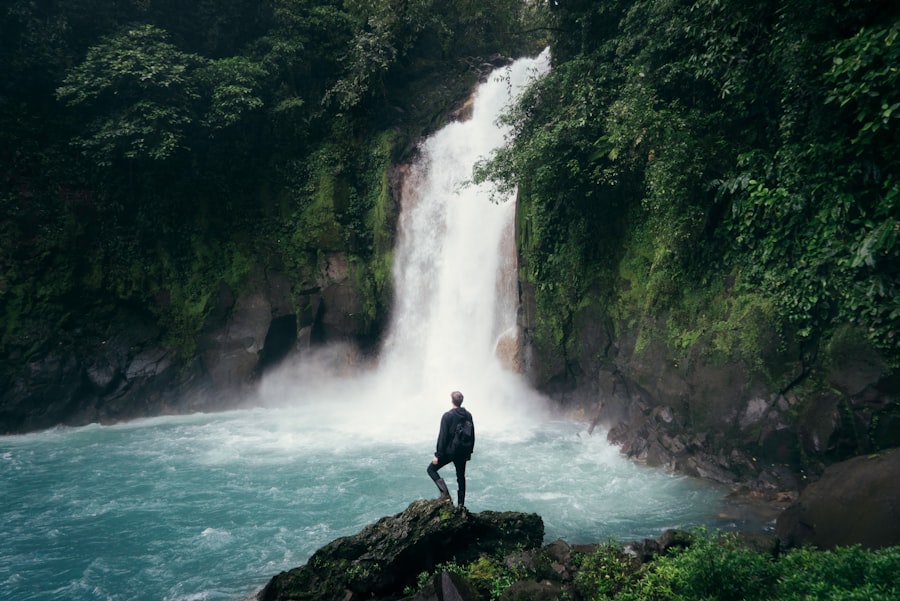
Prioritizing safety and health is paramount to ensuring a positive and incident-free travel experience. No matter where your travels take you, a mindful approach to personal security and well-being will pave the way for enjoyment.
Health Precautions
Maintaining good health while traveling ensures you can fully appreciate your surroundings.
- Vaccinations and Medications: Consult with a healthcare provider well in advance of your trip to determine if any vaccinations are recommended or required for your destination. Obtain any necessary prescription medications and carry them in their original packaging with a copy of your prescription.
- Food and Water Safety: Be mindful of food and water consumption, particularly in regions where sanitation standards may differ. Opt for bottled water, avoid ice in drinks if its source is questionable, and consume thoroughly cooked food. When in doubt, err on the side of caution.
- Managing Jet Lag: If traveling across multiple time zones, implement strategies to mitigate jet lag. This can include adjusting your sleep schedule gradually before departure, staying hydrated on the plane, and exposing yourself to natural daylight upon arrival.
Personal Security Measures
Adopting prudent security practices significantly reduces the risk of becoming a victim of crime.
- Awareness of Surroundings: Maintain a constant awareness of your environment and the people around you. Avoid displaying overt signs of wealth, such as expensive jewelry or large amounts of cash.
- Protecting Valuables: Utilize hotel safes for storing passports, excess cash, and other valuables. Keep a close eye on your belongings in crowded areas and consider using a money belt or discreet pouch.
- Emergency Preparedness: Familiarize yourself with local emergency numbers and the location of your country’s embassy or consulate. Keep a list of important contact information readily accessible.
Cultural Sensitivity and Respect
Engaging with local communities in a respectful manner enriches the travel experience for both the visitor and the host.
- Respecting Local Customs: Observe and respect local customs, traditions, and religious practices. This includes dressing modestly when visiting religious sites and being mindful of local social norms.
- Responsible Tourism: Endeavor to travel in a way that minimizes your environmental impact and supports local economies. This might involve choosing eco-friendly accommodations, opting for locally sourced products, and being respectful of natural environments.
Sustainable and Responsible Travel
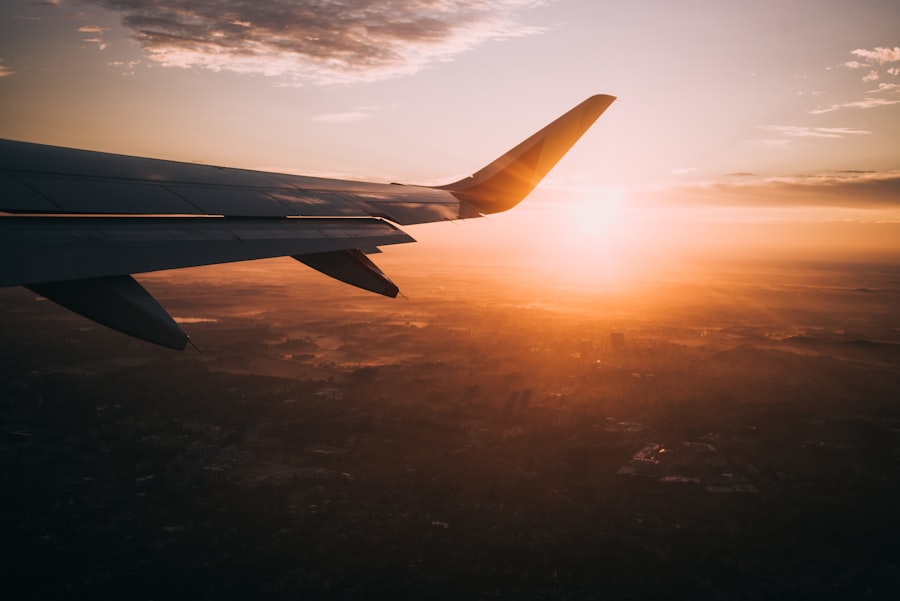
The impact of tourism on the environment and local communities is an increasingly important consideration. Embracing sustainable practices ensures that the beauty and cultural richness of destinations can be preserved for future generations.
Minimizing Environmental Footprint
Conscious choices can significantly reduce the ecological impact of your travels.
- Reducing Waste: Carry a reusable water bottle and coffee cup. Minimize single-use plastics by bringing your own shopping bags. Dispose of waste properly and recycle where facilities are available.
- Conserving Resources: Be mindful of water and energy consumption in your accommodation. Turn off lights and air conditioning when leaving your room.
- Choosing Eco-Friendly Transport: Opt for public transportation, cycling, or walking whenever possible. When flying is necessary, consider airlines with better fuel efficiency and look for opportunities to offset your carbon emissions.
Supporting Local Economies
Directly contributing to the livelihoods of local communities fosters a more equitable and enriching travel experience.
- Purchasing Locally: Support local artisans and businesses by purchasing souvenirs and goods directly from them. This ensures that your spending benefits the local economy.
- Dining Locally: Eat at local restaurants and cafes, experiencing authentic regional cuisine and supporting local entrepreneurs.
- Respecting Local Labor: Be aware of and respect the working conditions of people in the tourism industry. Avoid engaging in activities that exploit local labor or cultural heritage.
Ethical Wildlife Encounters
Interacting with wildlife should always be done in a way that prioritizes the animal’s welfare and conservation.
- Avoiding Exploitative Attractions: Steer clear of attractions that involve the exploitation or mistreatment of animals, such as elephant riding or interacting with captive wild animals for entertainment.
- Observing Wildlife Responsibly: When on safari or observing wildlife in its natural habitat, maintain a safe distance and avoid disturbing the animals or their environment. Follow the guidance of experienced guides.
If you’re planning your next adventure, you might find it helpful to read about the importance of understanding travel policies and regulations. For more insights on this topic, check out the article on travel privacy policies, which can guide you in making informed decisions while exploring new destinations. Understanding these policies can enhance your travel experience and ensure your personal information remains secure. You can find the article here: travel privacy policies.
Conclusion
| Destination | Average Flight Duration (hours) | Average Hotel Cost (per night) | Popular Activity | Best Travel Season |
|---|---|---|---|---|
| Paris, France | 7 | 150 | Museum Tours | Spring (April – June) |
| Tokyo, Japan | 14 | 120 | Cherry Blossom Viewing | Spring (March – May) |
| New York City, USA | 6 | 180 | Broadway Shows | Fall (September – November) |
| Sydney, Australia | 20 | 130 | Beach Activities | Summer (December – February) |
| Cape Town, South Africa | 18 | 100 | Safari Tours | Spring (September – November) |
Travel is a dynamic and transformative endeavor. By approaching it with careful planning, a spirit of curiosity, and a commitment to responsible practices, you can unlock a world of diverse experiences. The tips and destinations outlined in this article serve as a starting point, a compass to guide you as you chart your own unique path across the globe. The journey itself, with its inherent lessons and discoveries, often proves to be as valuable as the destination.