Destinations
JetBlue Flights: Your Ultimate Travel Solution

JetBlue Airways, commonly known as JetBlue, is a major American low-cost airline and the sixth-largest airline in the United States. Founded in 1998, it commenced operations in 2000. The airline is headquartered in Long Island City, New York, and operates its primary base at John F. Kennedy International Airport. JetBlue’s service model emphasizes a blend of competitive pricing with a focus on in-flight amenities and customer service, distinguishing it from traditional ultra-low-cost carriers.
JetBlue operates a comprehensive network across the Americas, encompassing domestic U.S. routes, international flights to Caribbean nations, Central America, South America, and Europe. The airline strategically focuses on key cities and popular leisure destinations, offering a broad spectrum of travel options for various passenger needs.
Domestic Coverage
Within the United States, JetBlue maintains a presence in major metropolitan areas such as New York, Boston, Fort Lauderdale, Orlando, and Los Angeles. These hubs serve as gateways, connecting passengers to a multitude of secondary cities and regional airports. The airline’s domestic network is designed to facilitate both business travel and leisure excursions, providing direct connections to popular tourist destinations and economic centers. For example, direct flights from Boston to San Francisco cater to transcontinental traffic, while routes from New York to Florida serve a significant leisure market.
International Reach
JetBlue’s international network primarily extends to the Caribbean and Latin America. Destinations such as Aruba, Barbados, the Dominican Republic, Puerto Rico, and Mexico are served by regular flights. These routes are integral to JetBlue’s strategy of catering to leisure travelers seeking sun and beach destinations. More recently, JetBlue has expanded its international footprint to include transatlantic flights to select European cities, further diversifying its offerings. This expansion represents a strategic move to compete in a more saturated market segment, aiming to attract travelers seeking a value-oriented transatlantic option.
European Expansion
The airline’s foray into the European market began with flights to London, and it has since expanded to include other major European cities. This expansion is characterized by a focus on long-haul narrow-body aircraft, allowing for more efficient operation on routes that might not sustain larger wide-body aircraft. This approach positions JetBlue as a disruptor in the transatlantic market, offering a distinct product compared to established legacy carriers. The route choices reflect a calculated assessment of demand and competitive landscape.
If you’re planning to book a flight with JetBlue, you might find it helpful to read an article that discusses the latest updates on JetBlue’s routes and services. This article provides insights into the airline’s expansion plans and tips for getting the best deals on your tickets. For more information, you can check out the related article here: JetBlue Flights Updates.
In-Flight Experience and Amenities
JetBlue has historically differentiated itself through its emphasis on the in-flight experience, offering amenities that are not typically found on other low-cost carriers. This strategy aims to provide a comfortable and engaging journey for its passengers, setting a certain standard within its operational sphere.
Seat Configuration and Comfort
JetBlue’s aircraft, primarily the Airbus A320 family and A220, offer a standard seat pitch that is generally considered more generous than many competitors in the economy class. This increased legroom aims to enhance passenger comfort, particularly on longer flights. The airline also offers “Even More Space” seating, which provides additional legroom and early boarding privileges, available for an additional fee. This tiered approach allows passengers to choose their preferred level of comfort and amenity.
In-Flight Entertainment
A cornerstone of JetBlue’s in-flight experience is its entertainment offerings. Each seat is equipped with a personal seatback screen providing access to DirecTV, offering live television channels. Additionally, passengers can access a selection of on-demand movies, television shows, and games. This comprehensive entertainment suite aims to alleviate the monotony of air travel, providing passengers with a diverse array of options to fill their flight time. The availability of real-time television differentiates JetBlue from many competitors who often rely solely on pre-recorded content.
Connectivity and Wi-Fi
JetBlue provides free high-speed Wi-Fi access on all its flights, a feature that distinguishes it significantly within the airline industry. This “Fly-Fi” service allows passengers to connect to the internet for browsing, email, and streaming. The provision of complimentary Wi-Fi reflects JetBlue’s commitment to enhancing the modern traveler’s experience, recognizing the increasing reliance on digital connectivity. This amenity is particularly appealing to business travelers and those who wish to remain connected during their journey.
Food and Beverage Service
While JetBlue operates as a low-cost carrier, it offers complimentary snacks and non-alcoholic beverages during its flights. The selection typically includes various brand-name options, a slight departure from the often generic offerings of some competitors. For a fee, passengers can also purchase a wider range of premium snacks, meals, and alcoholic beverages. This hybrid approach to food and beverage service allows the airline to maintain its cost-effectiveness while still offering a basic level of refreshment without additional charge.
JetBlue’s Fleet and Operations
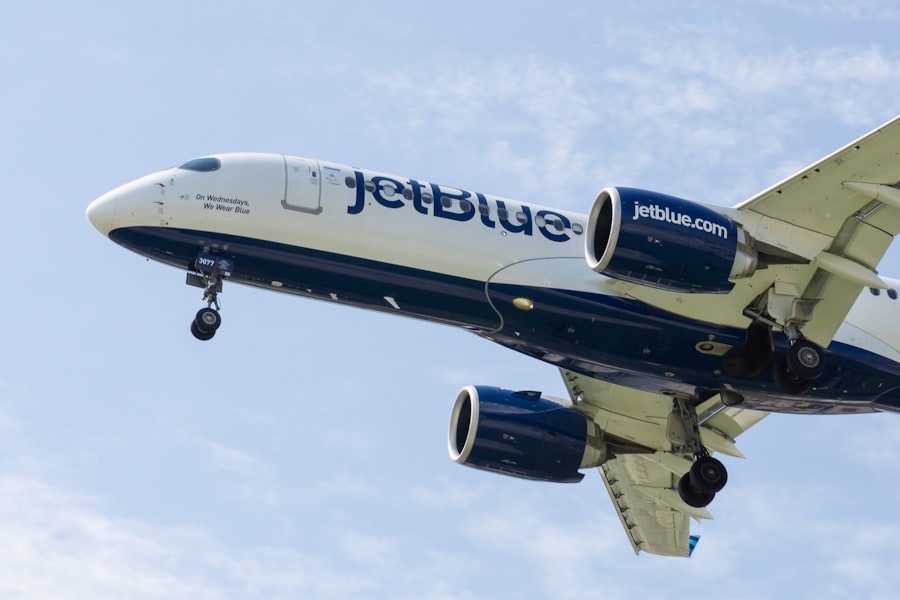
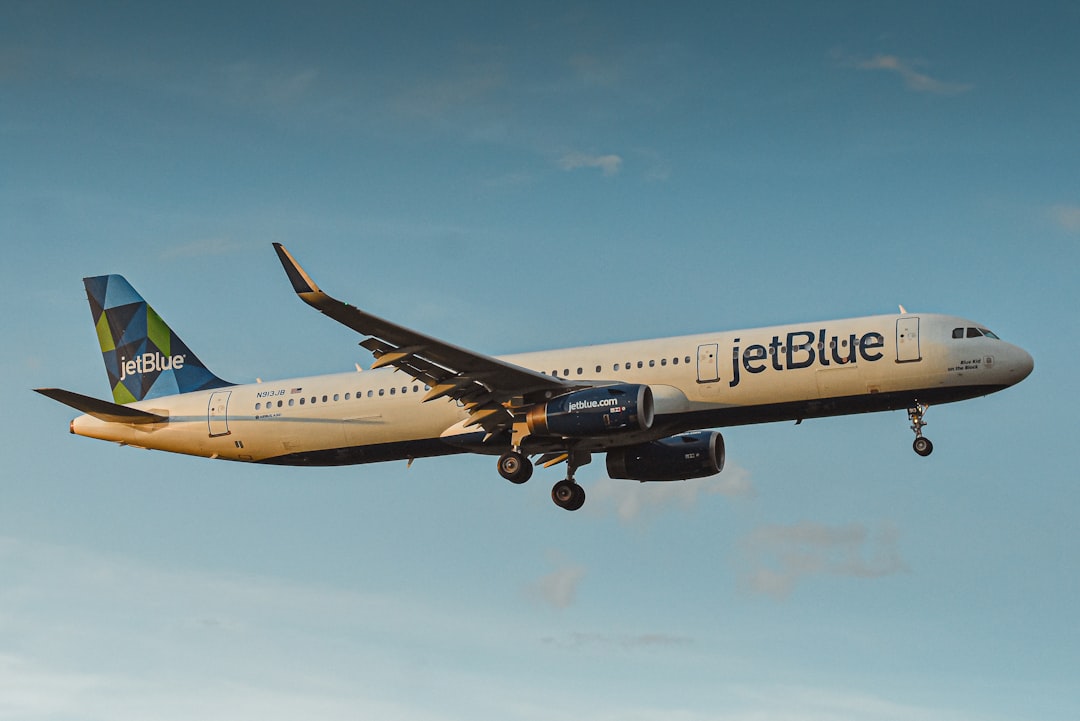
JetBlue operates a modern and relatively homogenous fleet, primarily composed of Airbus aircraft, which contributes to operational efficiency and streamlines maintenance procedures.
Aircraft Types
The backbone of JetBlue’s fleet consists of several variants of the Airbus A320 family, including the A320 and A321. These aircraft are utilized for a significant portion of its domestic and international short-to-medium-haul routes. For regional connections and shorter domestic flights, JetBlue employs the Airbus A220, known for its fuel efficiency and passenger comfort in a smaller airframe. The introduction of the A321LR (Long Range) and A321XLR (Extra Long Range) has facilitated JetBlue’s expansion into transatlantic markets, enabling non-stop flights to Europe. This strategic fleet composition allows JetBlue to match aircraft capacity and range to specific route demands, optimizing operational performance.
Operational Hubs
JetBlue’s primary operational hubs include John F. Kennedy International Airport (JFK) in New York, Logan International Airport (BOS) in Boston, Fort Lauderdale-Hollywood International Airport (FLL), and Orlando International Airport (MCO). These airports serve as key connecting points for its network, enabling efficient passenger transfers and operational logistics. The presence of multiple focus cities allows JetBlue to distribute its operations, mitigate disruptions, and capitalize on diverse market opportunities. Each hub acts as a nerve center, orchestrating the arrival and departure of numerous flights, ensuring the smooth flow of passengers and cargo.
Maintenance and Reliability
JetBlue focuses on maintaining a modern fleet, which typically translates to enhanced reliability and reduced maintenance incidents. The airline adheres to stringent maintenance protocols, complying with all Federal Aviation Administration (FAA) regulations. Regular inspections and scheduled maintenance are integral to JetBlue’s operational strategy, aiming to minimize delays and ensure the safe operation of its aircraft. This emphasis on reliability is a critical element of passenger confidence and operational efficiency.
Loyalty Program: TrueBlue

JetBlue offers a frequent flyer program named TrueBlue, designed to reward loyal customers with points that can be redeemed for future travel. The program is structured to provide various benefits based on the passenger’s engagement level with the airline.
Earning Points
Members of the TrueBlue program earn points for every dollar spent on JetBlue flights, as well as for ancillary purchases such as “Even More Space” seats and checked baggage. The earning rate varies depending on the type of fare purchased and whether the member holds elite status. This tiered earning system encourages passengers to choose JetBlue for various travel needs, maximizing their point accumulation. Furthermore, points can be earned through partnerships with credit card companies, hotel chains, and car rental agencies, broadening the avenues for point acquisition.
Redeeming Points
TrueBlue points can be redeemed for any JetBlue flight, with no blackout dates or seat restrictions. The value of the points typically fluctuates based on the cash price of the requested flight, meaning that the number of points required for a particular flight will vary. This dynamic redemption model allows members flexibility in how and when they utilize their accrued points. Points can also be used to cover portions of a fare or add-ons, offering versatile redemption options.
Elite Status: Mosaic
JetBlue’s elite status tier, known as Mosaic, offers enhanced benefits to its most frequent flyers. Mosaic members receive perks such as waived change and cancellation fees, two free checked bags, early boarding, complimentary alcoholic beverages (on certain flights), and dedicated customer service lines. Attaining Mosaic status typically requires a significant amount of qualifying spend or a combination of spend and flight segments within a calendar year. This multi-tiered rewards system serves as an incentive for passengers to consolidate their travel with JetBlue, fostering long-term customer loyalty.
If you’re planning a trip and considering JetBlue flights, you might find it helpful to read an article that discusses the various benefits of flying with this airline. For a comprehensive overview of their services and policies, check out this informative piece on travel privacy and customer experience. It provides insights that can enhance your travel planning. You can find it here: travel privacy and customer experience.
Booking and Travel Management
| Flight Number | Departure City | Arrival City | Departure Time | Arrival Time | Duration | Status | On-Time Percentage |
|---|---|---|---|---|---|---|---|
| B6 123 | New York (JFK) | Boston (BOS) | 08:00 AM | 09:15 AM | 1h 15m | On Time | 88% |
| B6 456 | Boston (BOS) | Orlando (MCO) | 10:30 AM | 01:00 PM | 2h 30m | Delayed | 85% |
| B6 789 | Orlando (MCO) | Fort Lauderdale (FLL) | 02:00 PM | 03:00 PM | 1h 0m | On Time | 90% |
| B6 321 | Fort Lauderdale (FLL) | New York (JFK) | 04:00 PM | 07:00 PM | 3h 0m | Cancelled | 87% |
JetBlue provides multiple channels for passengers to book flights and manage their travel plans, aiming for accessibility and user-friendliness.
Online Booking
The primary method for booking JetBlue flights is through its official website. The website is designed to be intuitive, allowing passengers to search for flights, compare fares, select seats, and purchase ancillary services. The online platform also facilitates checking in for flights, printing boarding passes, and managing existing reservations. This digital interface is the central conduit for most passenger interactions with the airline, serving as a comprehensive travel portal.
Mobile App
JetBlue offers a dedicated mobile application for smartphones and tablets. The app provides similar functionalities to the website, allowing users to book flights, access their TrueBlue account, check flight status, and receive real-time notifications. Mobile boarding passes streamline the airport experience, and the app often includes features for in-flight entertainment access and connectivity management. The mobile application serves as a portable extension of the airline’s digital services, catering to the needs of the on-the-go traveler.
Customer Service Channels
For more complex inquiries or assistance, JetBlue provides customer service through various channels, including a dedicated call center and social media support. These platforms are staffed by representatives trained to assist with booking modifications, issue resolution, and general passenger queries. While self-service options are emphasized, the availability of direct human contact ensures that passengers can receive support when automated solutions are insufficient. This multi-channel approach to customer service aims to address a wide range of passenger needs and preferences efficiently.
Airport Kiosks and Counters
At the airport, JetBlue offers self-service check-in kiosks and manned check-in counters. Kiosks allow passengers to print boarding passes and baggage tags independently, reducing wait times. For those requiring assistance with baggage checks or specific travel document verification, full-service counters are available. This combination of self-service and personalized assistance caters to the diverse needs of passengers at the airport, facilitating a smoother pre-flight process.
In summary, JetBlue has established a distinct position within the aviation industry by blending the cost-effectiveness of a low-cost carrier with an emphasis on in-flight amenities and customer service. Its expansive network across the Americas and Europe, coupled with a focus on passenger comfort and technological integration, aims to provide a reliable and engaging travel experience. The airline’s strategic fleet management, customer loyalty program, and diverse booking channels further contribute to its operational framework.